
Retargeting Works Until It Annoys: Setting Frequency Honestly
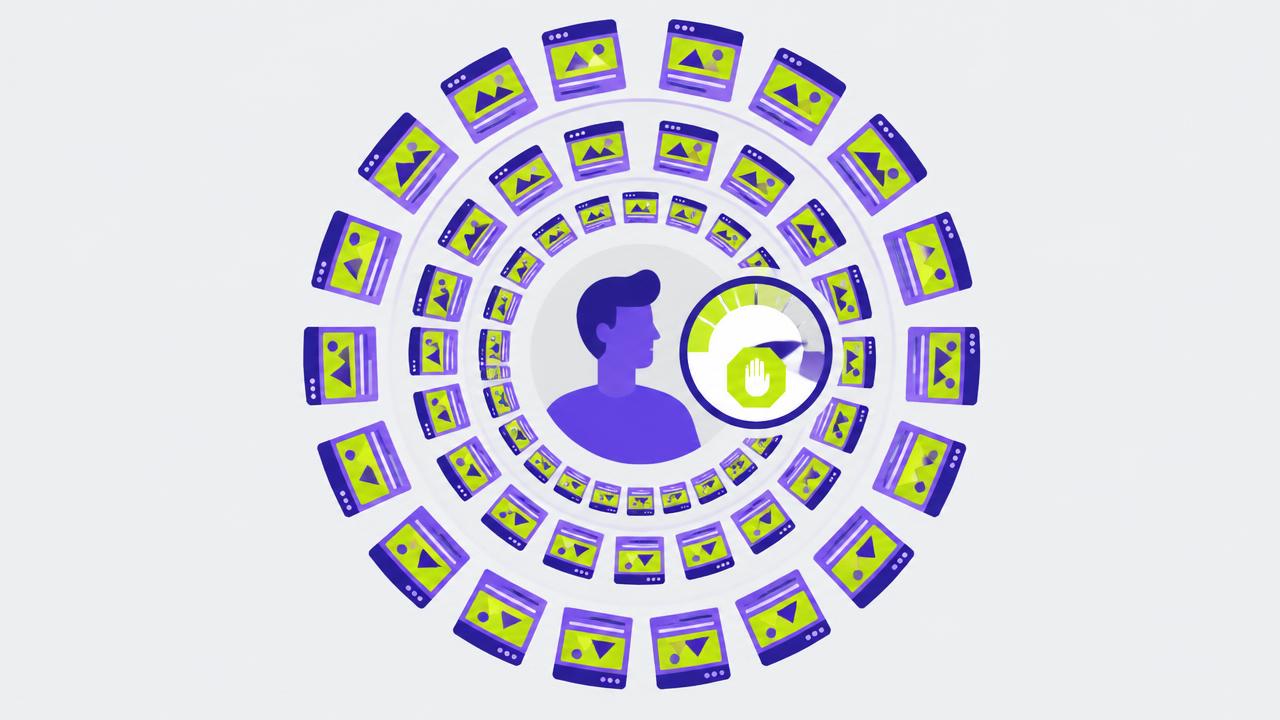
Every attribution model flatters retargeting. It reaches people who visited your site, considered your product and were already closer to buying than any cold audience. When the conversion lands, the last ad shown collects the credit. This is why retargeting reports the best return in most accounts and why that return should be read carefully.
Segment by intent depth
| Segment | Window | Message |
|---|---|---|
| Cart abandoners | 1-3 days | Remove the specific friction: shipping, stock, payment |
| Product page viewers | 7-14 days | Proof: reviews, comparison, guarantee |
| Category browsers | 14-30 days | Guidance: how to choose, what fits |
| Blog readers | 30 days, low budget | Soft next step, usually not a product ad |
Treating these as one audience means a person who read one article receives the same urgency messaging as someone who abandoned a full basket. It wastes impressions on the first group and underserves the second.
A retargeting audience without segmentation is just a list of people who once loaded your CSS.
Caps that bind
Frequency caps are usually set once, at a comfortable-sounding number, and never revisited against actual delivery. Check the real frequency distribution: the average may be three while a tail of users sees twenty. That tail generates the complaints, the negative feedback and the brand damage that never appears in the campaign report.
Exclusions matter more here than anywhere
Converters must exit the audience immediately. Anyone who has been in the audience past the useful window must exit too - a visitor from 80 days ago is a cold audience wearing a warm label. Automatic membership expiry handles this if the durations are set deliberately rather than left at the platform default.
Prove the increment
The only reliable way to size retargeting's real contribution is to withhold it. Pause retargeting in one region or for a randomly assigned share of the audience for two to four weeks and compare total conversions, not retargeting conversions. Some accounts discover the channel is doing most of what it claims. Others discover they have been paying to reach people who would have returned anyway. Both outcomes are worth knowing, and neither is visible in the platform report.
Related articles

Match Types and Negatives: Steering Broad Without Bleeding
Broad match is a proposal, not a promise. Negatives are how you answer it.
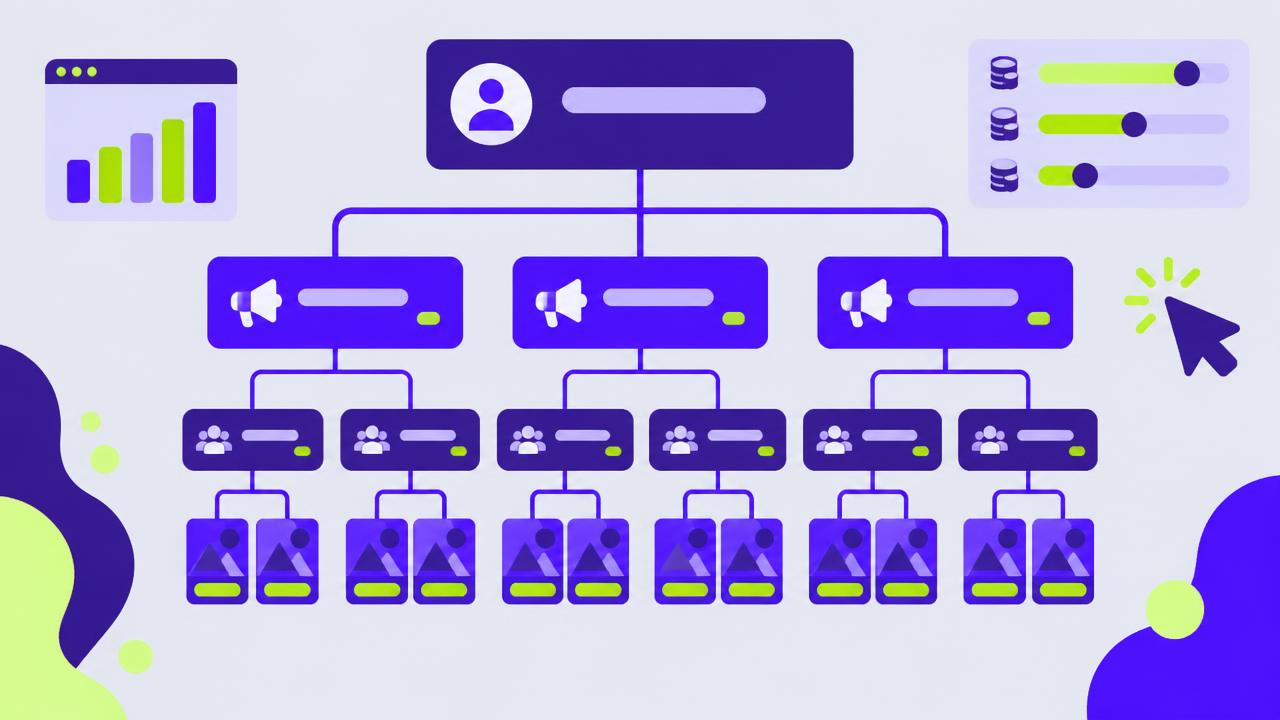
Meta Ads Account Structure in 2026: Consolidate, But Not Blindly
Fewer campaigns usually means faster learning. But consolidation fails predictably in three situations, and knowing them is worth more than any template.

Video Ads That Earn the First Three Seconds
The first three seconds decide whether the other twenty-seven exist. Most budgets are spent producing the part nobody reaches.