

Data & Attribution
The Quarterly Data Quality Audit
Most bad decisions made from data are not made from the wrong analysis. They are made from the right analysis on broken inputs.
8 min read
Attribution is a modelling problem, not a reporting one. Incrementality tests, UTM governance, warehouse-first measurement and the KPI trees that keep teams pointed at the same number.
Most bad decisions made from data are not made from the wrong analysis. They are made from the right analysis on broken inputs.
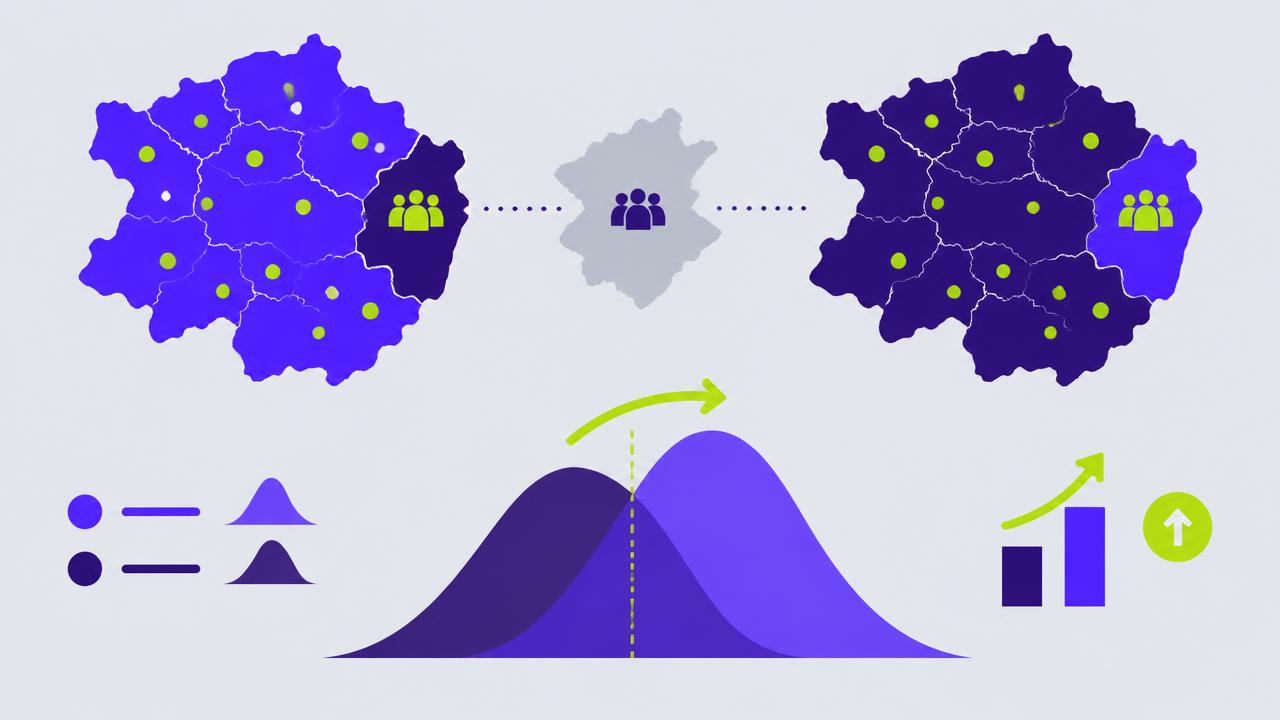
Platform-reported ROAS answers "who touched the sale?" Incrementality answers "would it have happened anyway?" Only the second one supports a budget decision.

An LTV number that nobody can falsify is not a forecast. It is a permission slip for overspending.
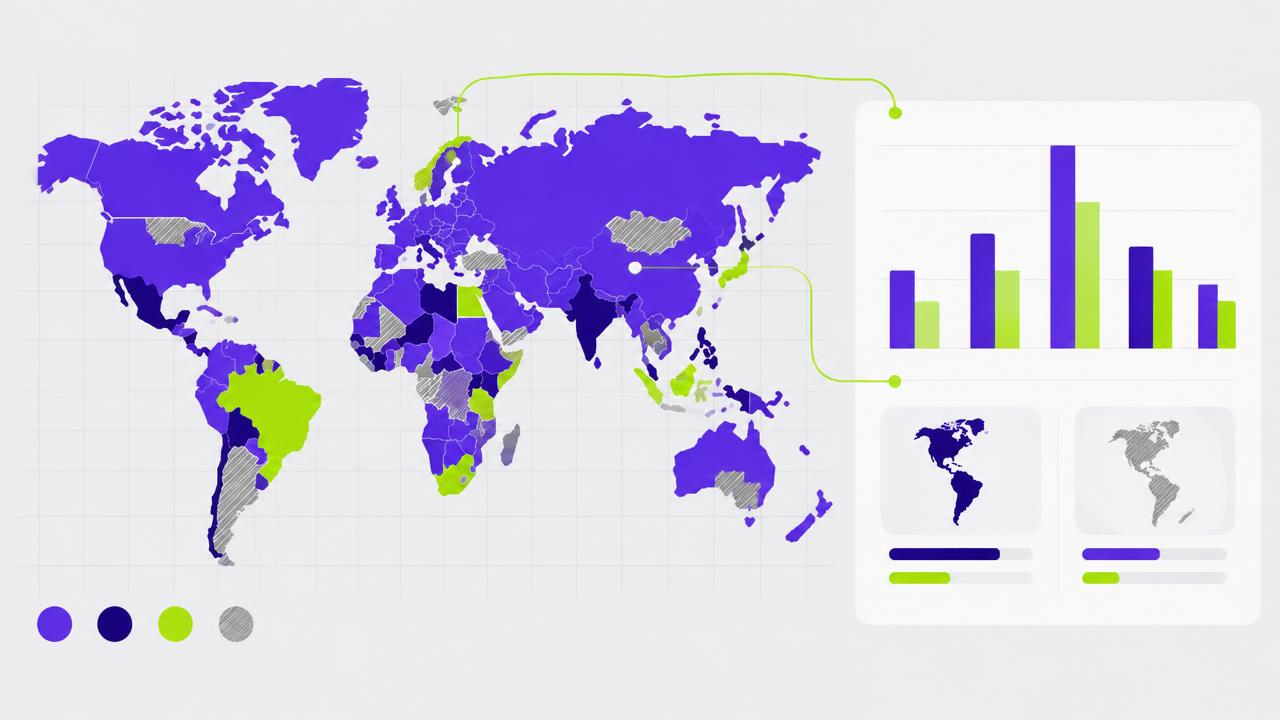
When user-level tracking fails, geography is still a reliable way to build a control group.

If a dashboard cannot change what someone does tomorrow, it is a screensaver with numbers.

Nobody regrets writing a tracking plan. Everyone regrets the six months of data they had to throw away.

The question is no longer how much data you can collect. It is how much you can justify collecting.

Nobody gets promoted for standardising campaign tags. But every reliable marketing dashboard sits on top of exactly that work.

Mix modelling went from a luxury for large advertisers to a practical option for anyone with tidy weekly numbers.
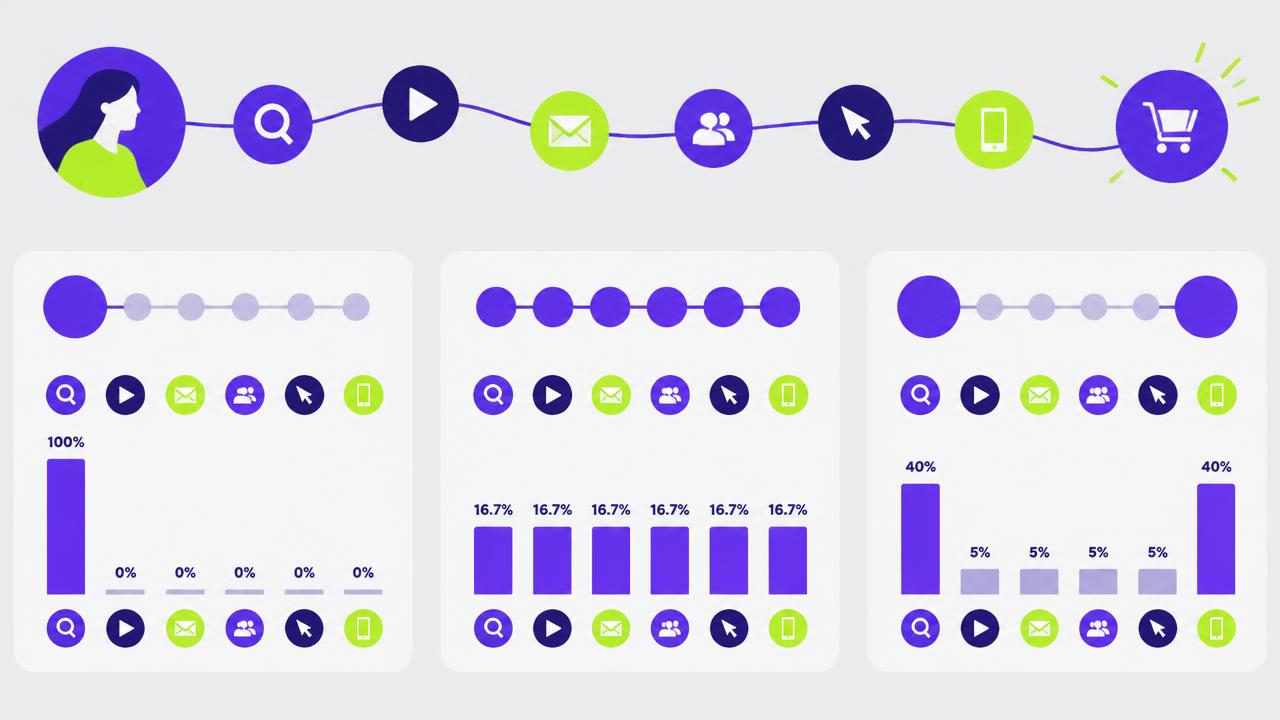
Choosing an attribution model is not choosing the truth. It is choosing which distortion you can live with.
The briefing
Channel breakdowns, measurement teardowns and the numbers behind them — sent Thursdays.