Growth Loops vs Funnels: Why Your Acquisition Math Keeps Breaking
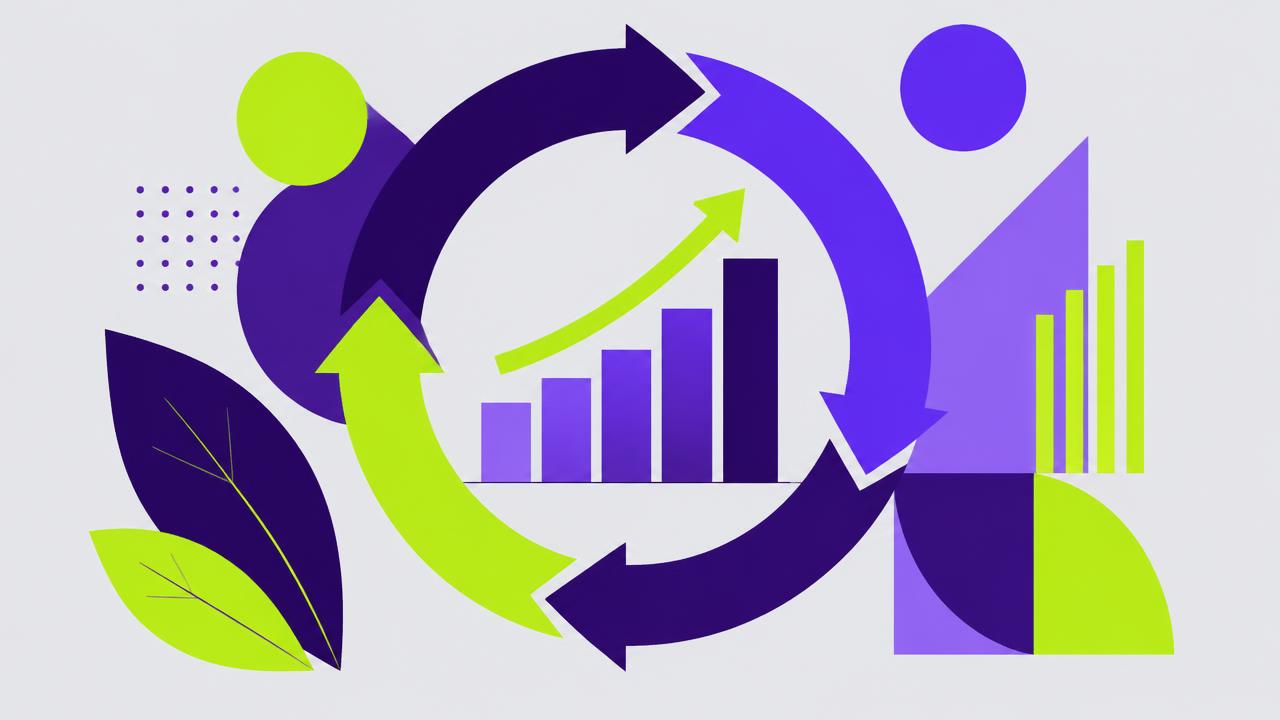
Funnel thinking treats every customer as a terminal event. Loop thinking asks what each customer produces. The difference shows up in your CAC curve about nine months in.
Growth is a system, not a campaign. This section covers the loops, activation metrics, onboarding changes and experiment rituals that move a business past one-off spikes and into compounding growth.

Funnel thinking treats every customer as a terminal event. Loop thinking asks what each customer produces. The difference shows up in your CAC curve about nine months in.

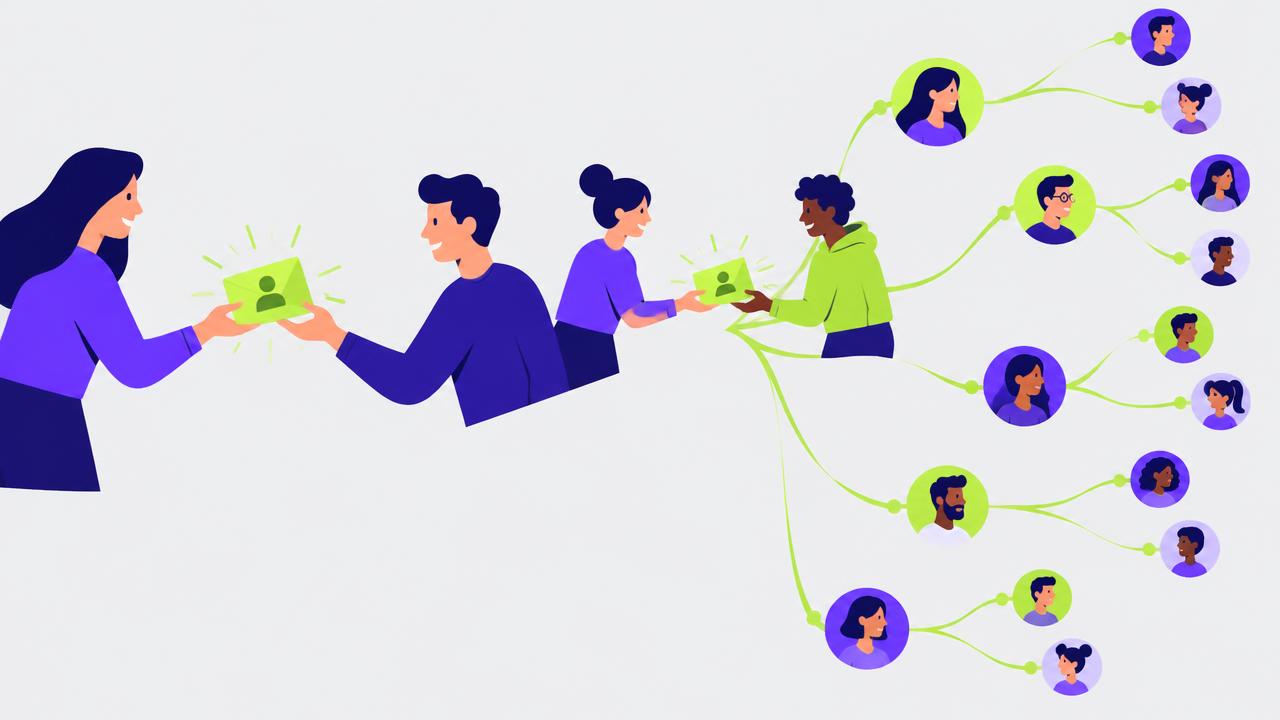
A referral program is not an incentive, it is a moment. Get the moment wrong and no reward size will save it.

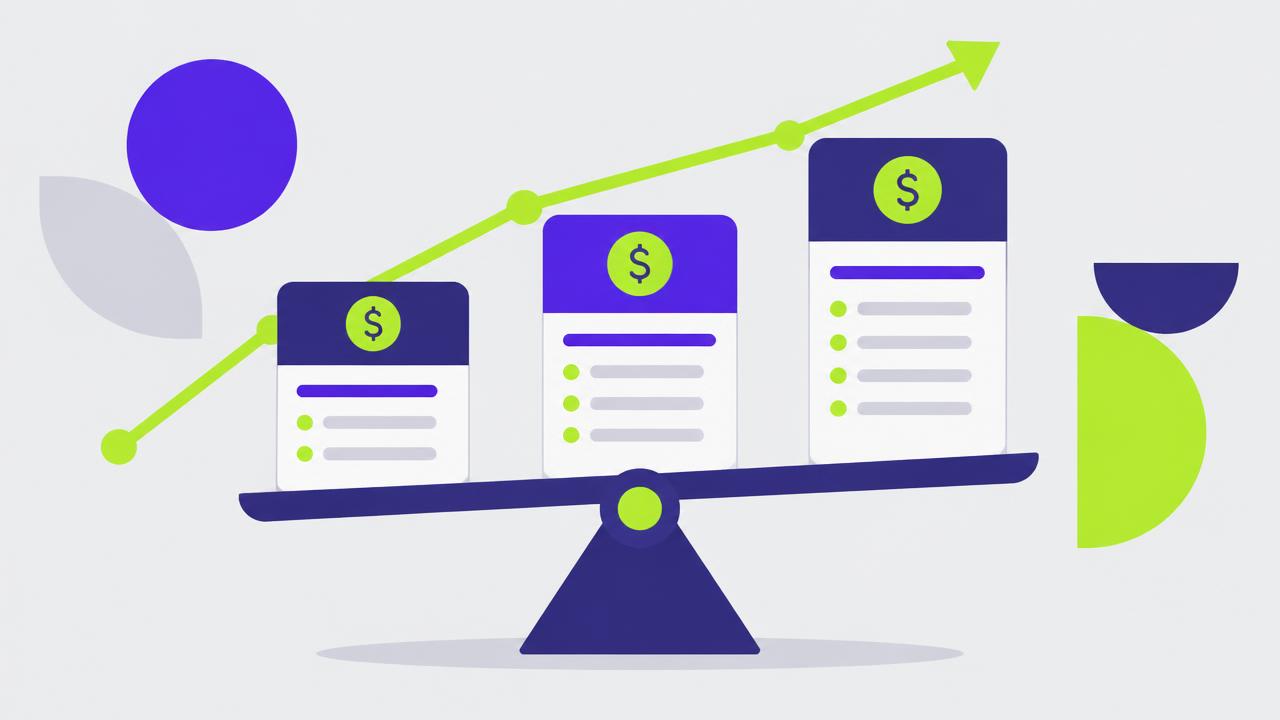
A ten percent price increase absorbed without churn is worth more than most acquisition campaigns. The question is how to find out safely.

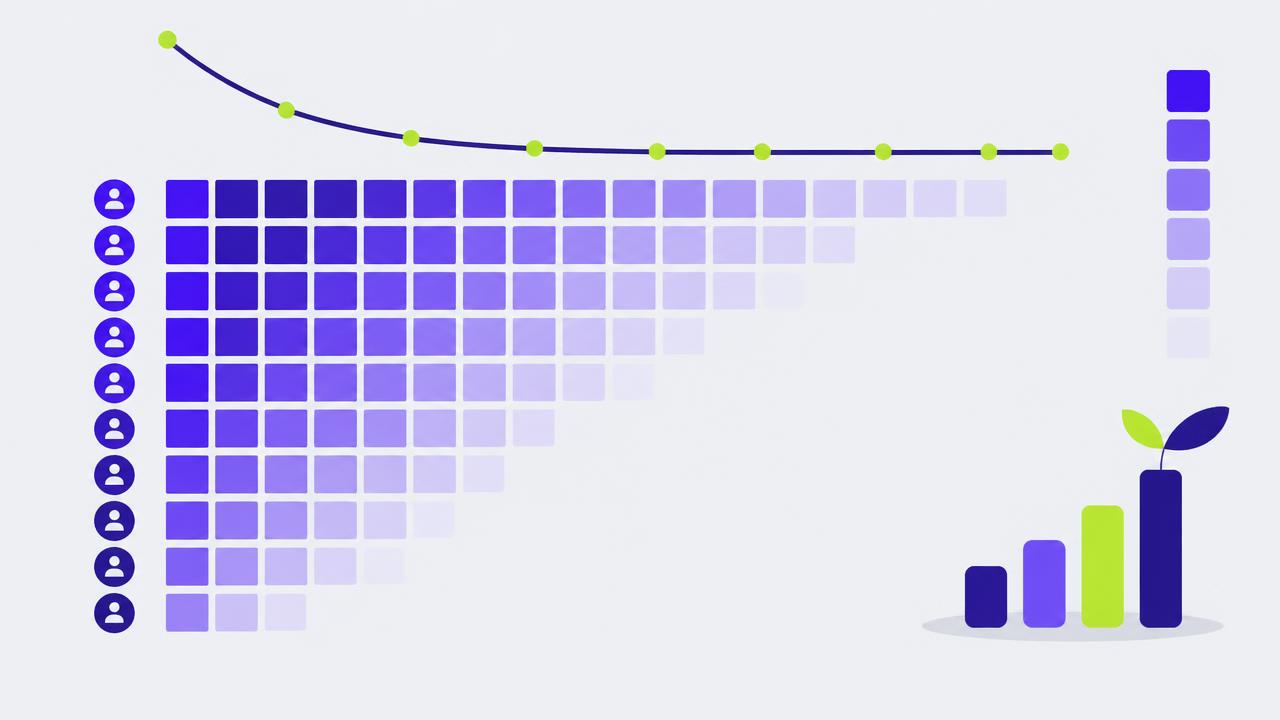
A flattening curve means you have a product. A curve that reaches zero means you have a series of transactions. Everything else follows from that distinction.

The interesting question is not product-led or sales-led. It is which signals justify putting a human in the loop, and at what point.

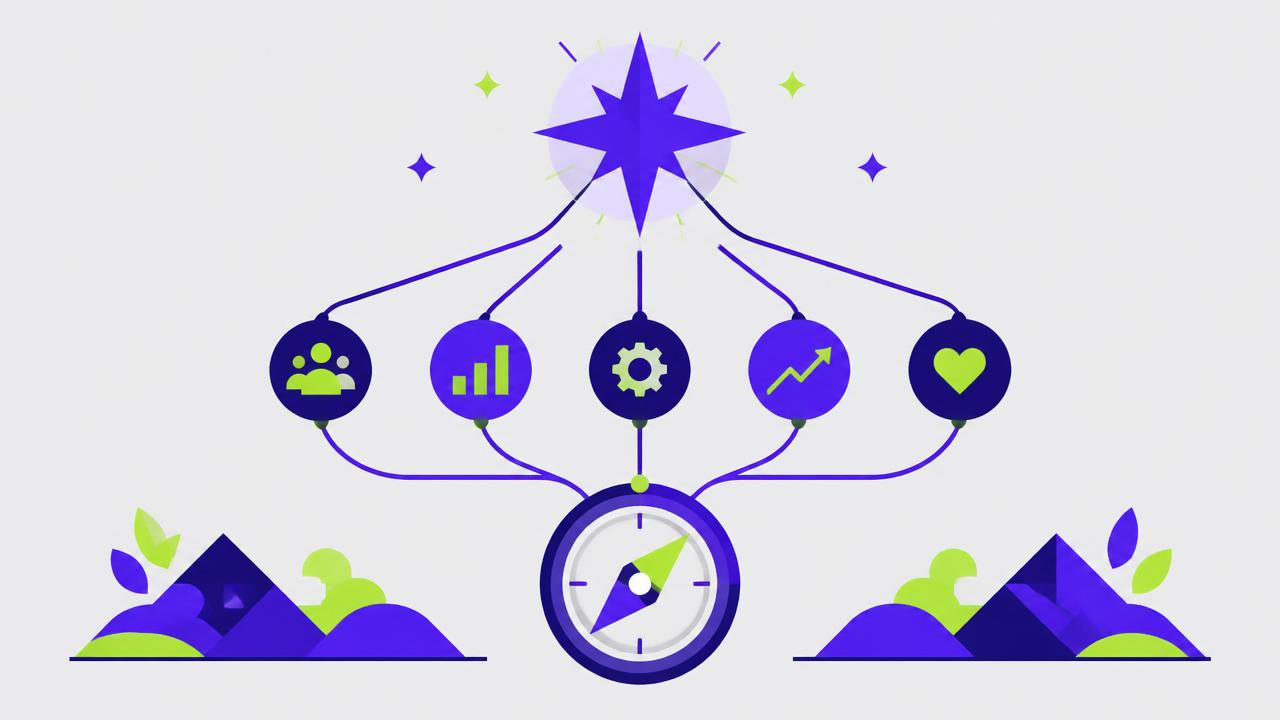
The test of a north star metric is not whether it sounds important. It is whether a team could increase it in a way that harms the business.

Button colours do not matter. Message match, page speed, form length and proof placement do, and they are all measurable in a week.

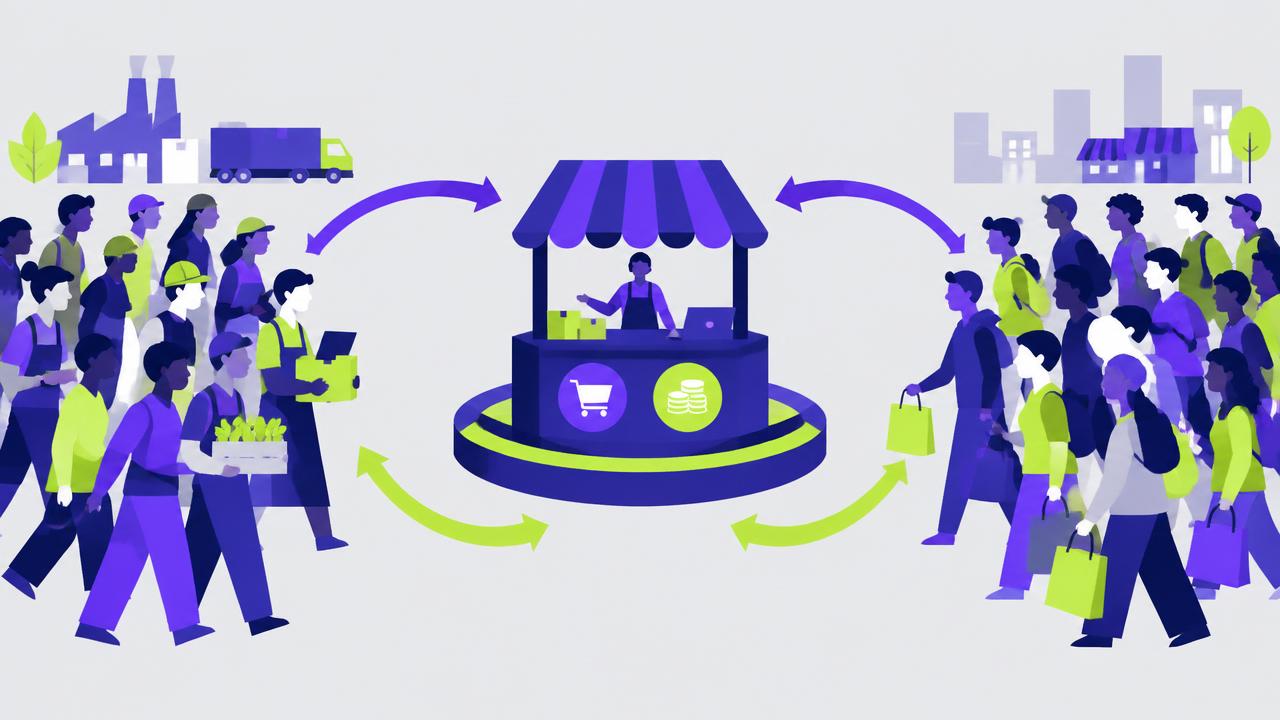
A marketplace with a thousand cities and no matches in any of them is worse off than one that dominates a single postcode.

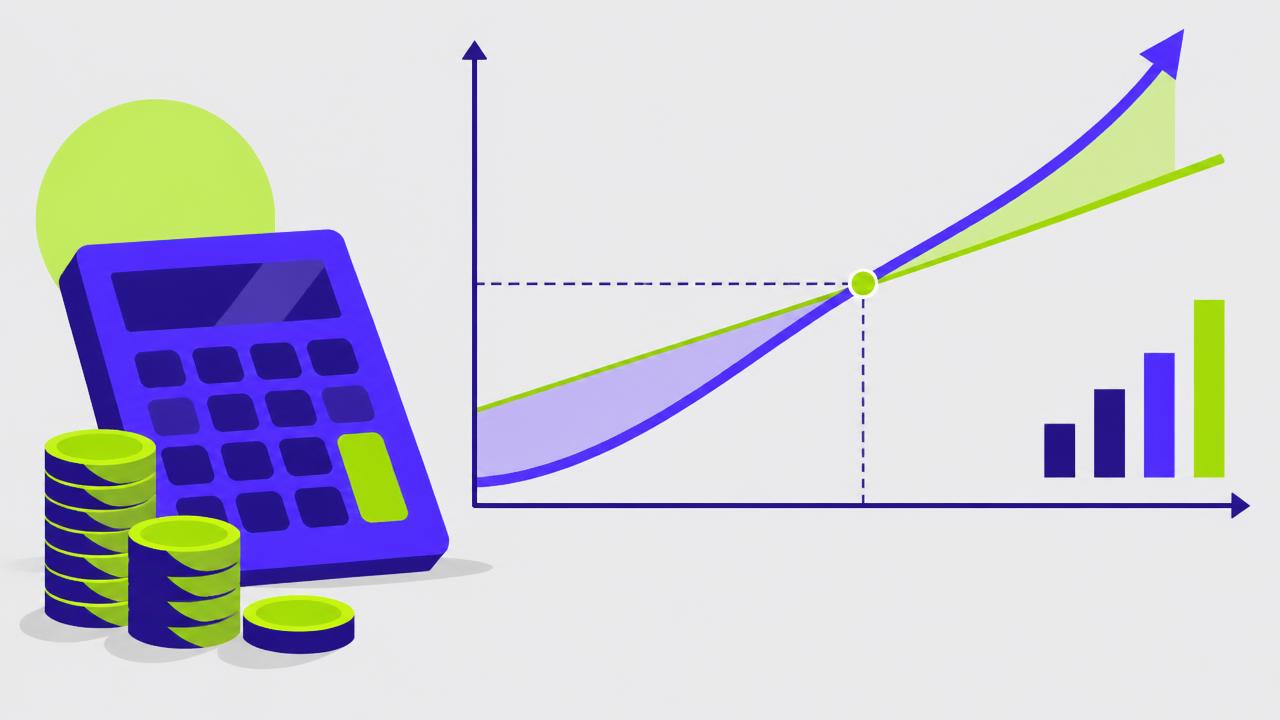
The LTV to CAC ratio is a forecast dressed as a fact. Payback period is a measurement, which is why finance trusts it and marketing should too.

Most activation metrics measure whether a user finished your form, not whether they got value. The fix is a correlation study you can run in an afternoon.
The briefing
Channel breakdowns, measurement teardowns and the numbers behind them — sent Thursdays.