
Cart Abandonment Flows Without the Desperation
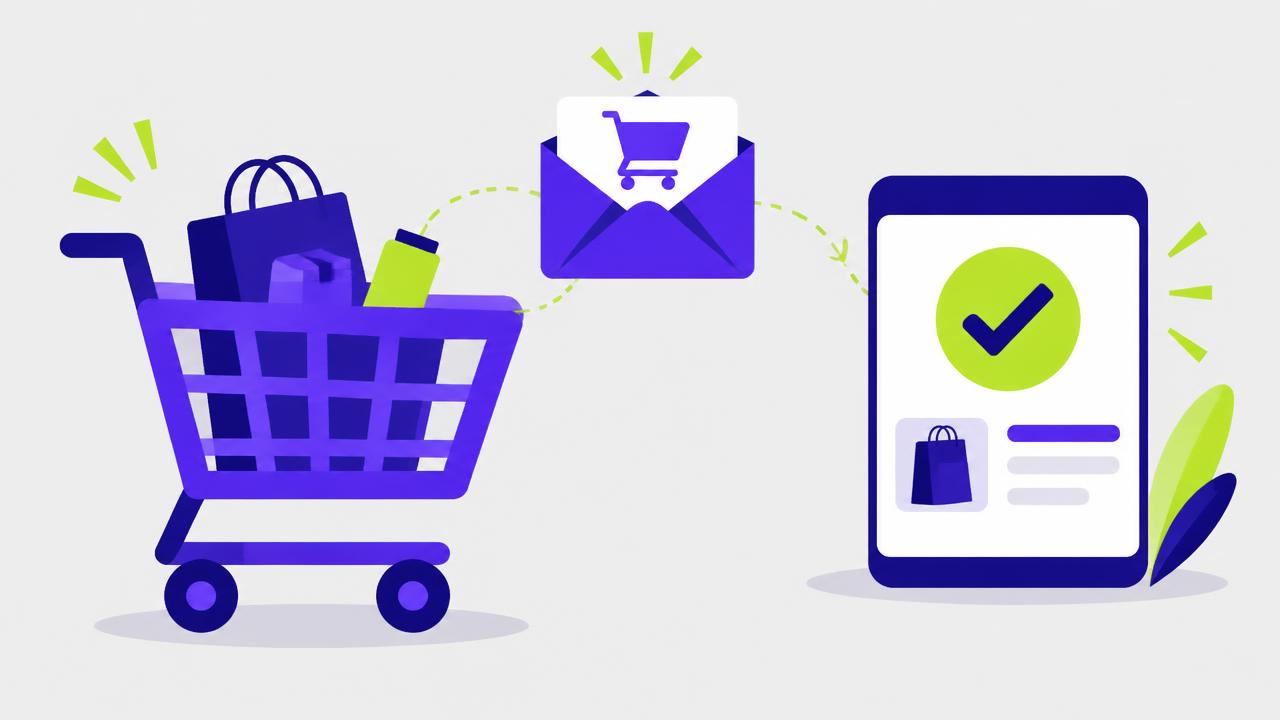
Abandoned cart email is the most reliably profitable automation in commerce, which is exactly why it gets abused. The typical implementation fires four messages with a discount ladder, and within a quarter, regular customers have learned to fill a cart and wait.
The shape that works
| Delay | Angle | |
|---|---|---|
| 1 | 1 hour | Reminder only — cart contents, one button |
| 2 | 20 hours | Obstacle removal — shipping, returns, sizing, payment options |
| 3 | 44 hours | Final notice, optional first-time-buyer incentive |
Most abandonment is not price
People leave carts because shipping cost appeared late, because they wanted to compare, because checkout demanded an account, or because they were on a phone in a queue. A discount answers none of that. The second email should address the real friction: state the delivery cost and date, the return window, and the guest checkout option.
Treat the discount as the last resort it is. Every time you lead with it, you buy a sale you would have made anyway and lose margin on all the rest.
Exclusions that protect the flow
Anyone who completed the order — including through a different device or channel — must exit immediately. So should anyone who received the same flow in the last fortnight. Repeated recovery mail to the same person is how a profitable automation becomes a complaint generator.
Measuring it honestly
Attribution will credit the flow with every purchase that follows a click, including all the people who were always going to come back. The honest measurement is a holdout: withhold the flow from a small random share of abandoners and compare completion rates. The gap is the real contribution, and it is usually smaller than the dashboard claims — but still large enough to justify the flow.
Browse abandonment is a different animal
Viewing a product is far weaker intent than adding it to a cart. If you run browse abandonment at all, keep it to a single message, restrict it to high-intent categories, and never apply the cart discount logic to it.
Related articles
The Lifecycle Email Map Every Team Should Draw First
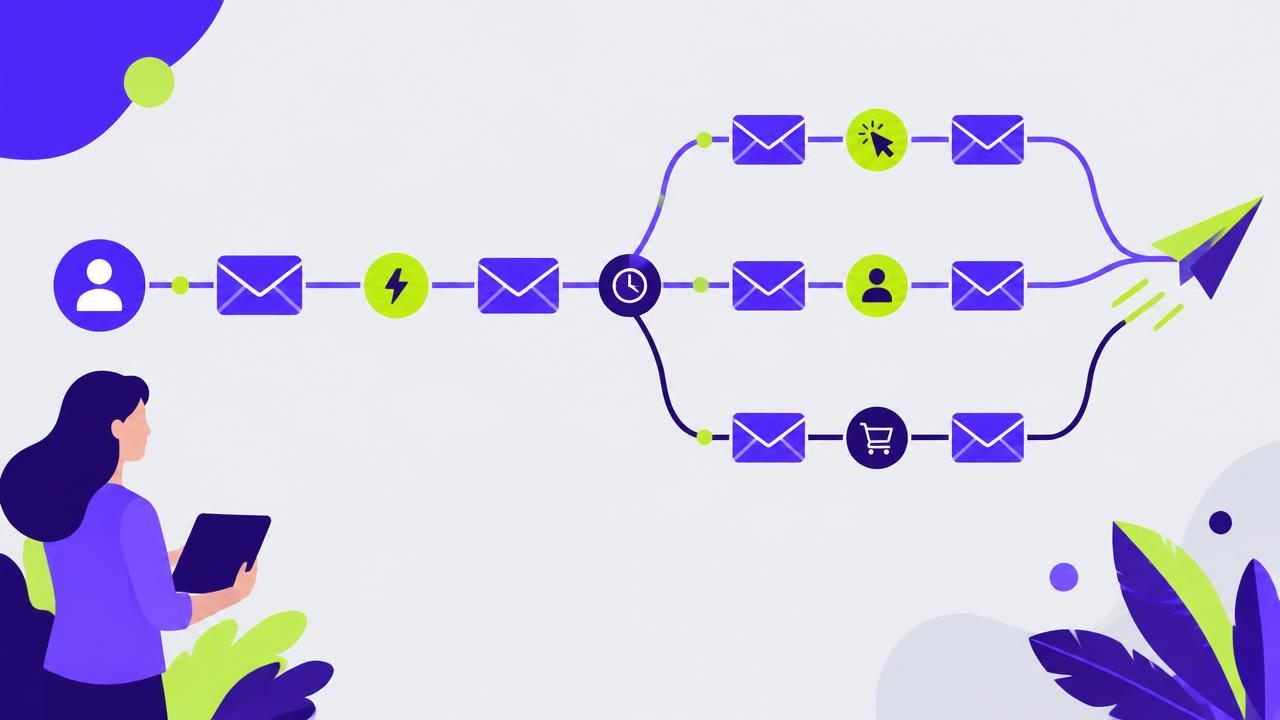
Campaign calendars are easy and mostly wasted. The revenue sits in a handful of triggered moments that most teams have never explicitly mapped.
Growing a Newsletter Without Buying Anyone
Fast list growth is easy to buy and impossible to keep. The compounding sources are slower and far more valuable.
List Hygiene: Sending Less to Earn More
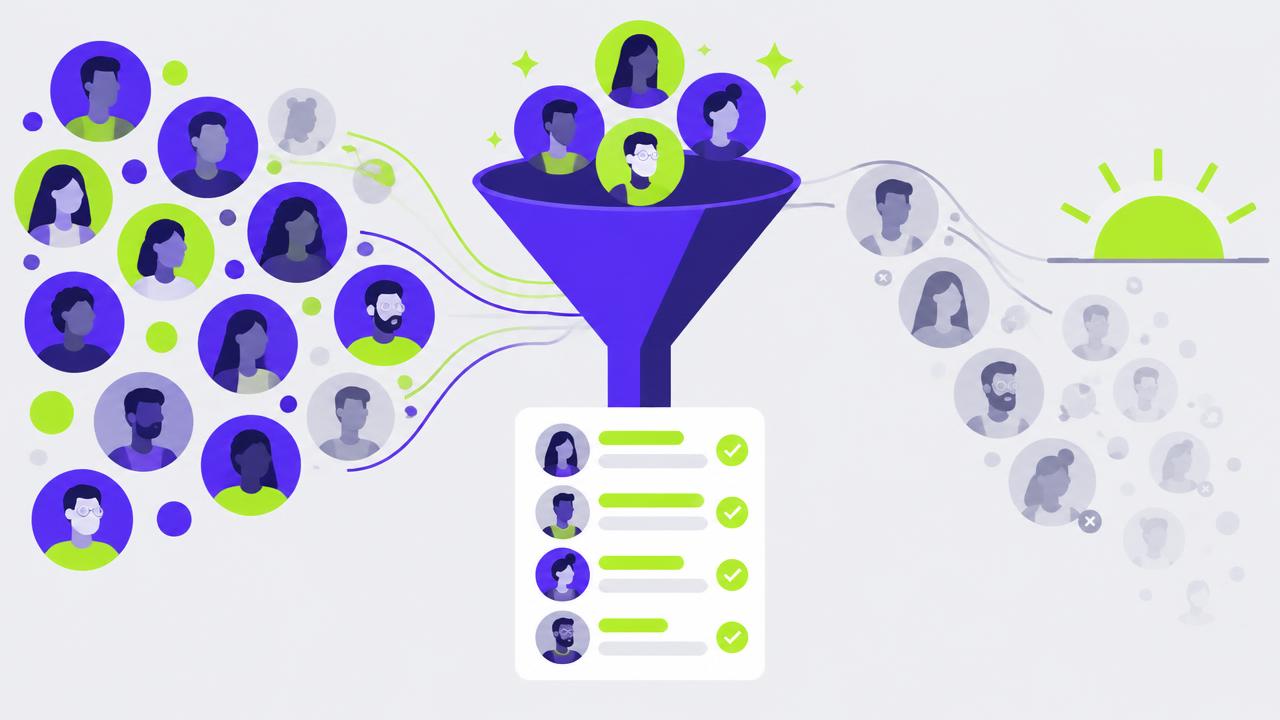
A smaller list that reaches the inbox beats a large one that reaches the spam folder. It is not close.