
Growing a Newsletter Without Buying Anyone
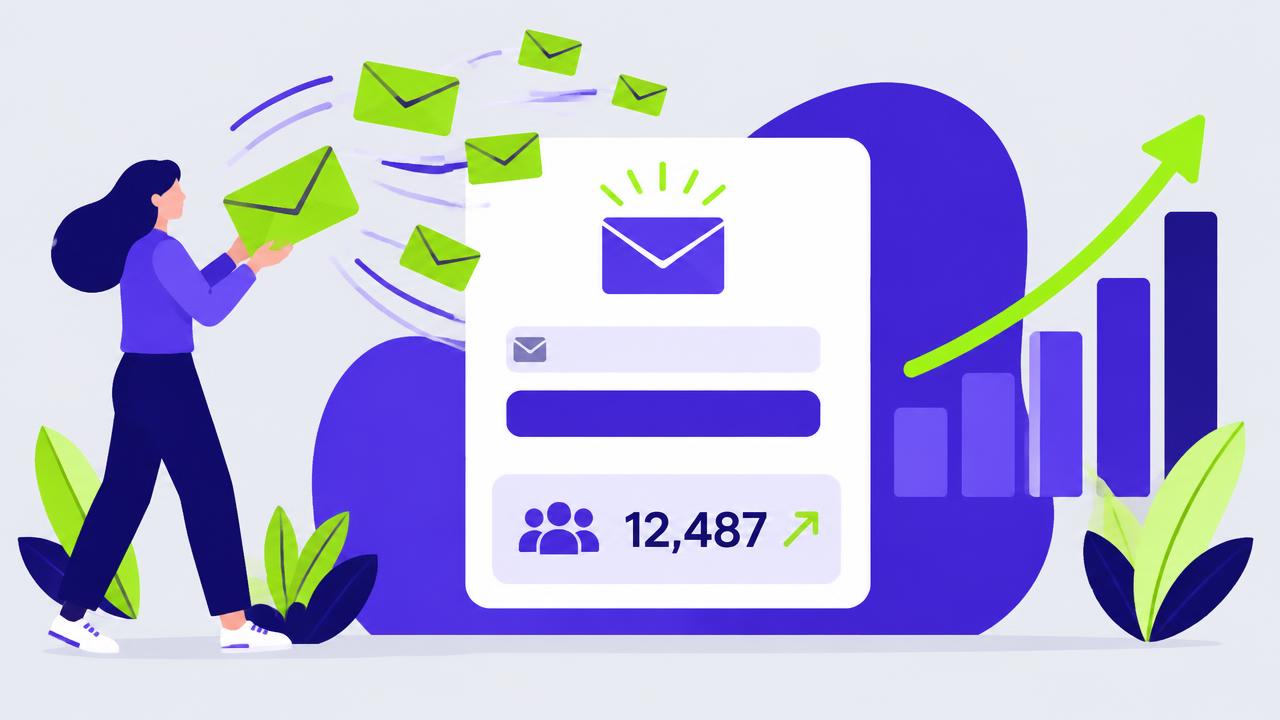
There is a version of list growth that looks impressive for a quarter and then poisons the channel: purchased data, scraped addresses, co-registration bundles, a giveaway that attracts people who want a prize. All of them add rows. None of them add readers, and every one of them raises your complaint rate.
Where signups actually come from
| Source | Quality | Effort to sustain |
|---|---|---|
| Content that ranks or circulates | High | Ongoing production |
| In-product or post-purchase prompt | High | One-time build |
| Cross-promotion with adjacent newsletters | Medium-high | Relationship work |
| Paid social to a lead magnet | Medium | Continuous spend |
| Giveaways and list buys | Low | Cheap, and it shows |
Place the form where value was just felt
A form in the footer captures people who already decided. The productive placement is immediately after the moment someone got something useful: the end of an article they finished, the confirmation screen after a purchase, the point in the product where a task succeeded. Same form, several times the conversion rate.
Do not promise updates. Promise the specific thing they will get, how often, and from whom.
Referral, done without gimmicks
Referral programmes work for newsletters when the reward is more of the thing the reader already values — an archive, a deeper piece, early access — rather than merchandise. Merchandise rewards attract people who want merchandise, and they unsubscribe once they have it.
Cross-promotion is underused
Swapping recommendations with newsletters that serve an adjacent audience costs nothing but the conversation. The subscribers arrive pre-qualified, because they already demonstrate the behaviour of reading email from people they trust. Start with three publications a tier above yours and three at your level.
Growth follows the product
None of this substitutes for the newsletter being worth reading. The most reliable growth lever is a piece good enough that people forward it, and the cheapest way to make that happen is to write for a specific reader rather than for the size of the list.
Related articles
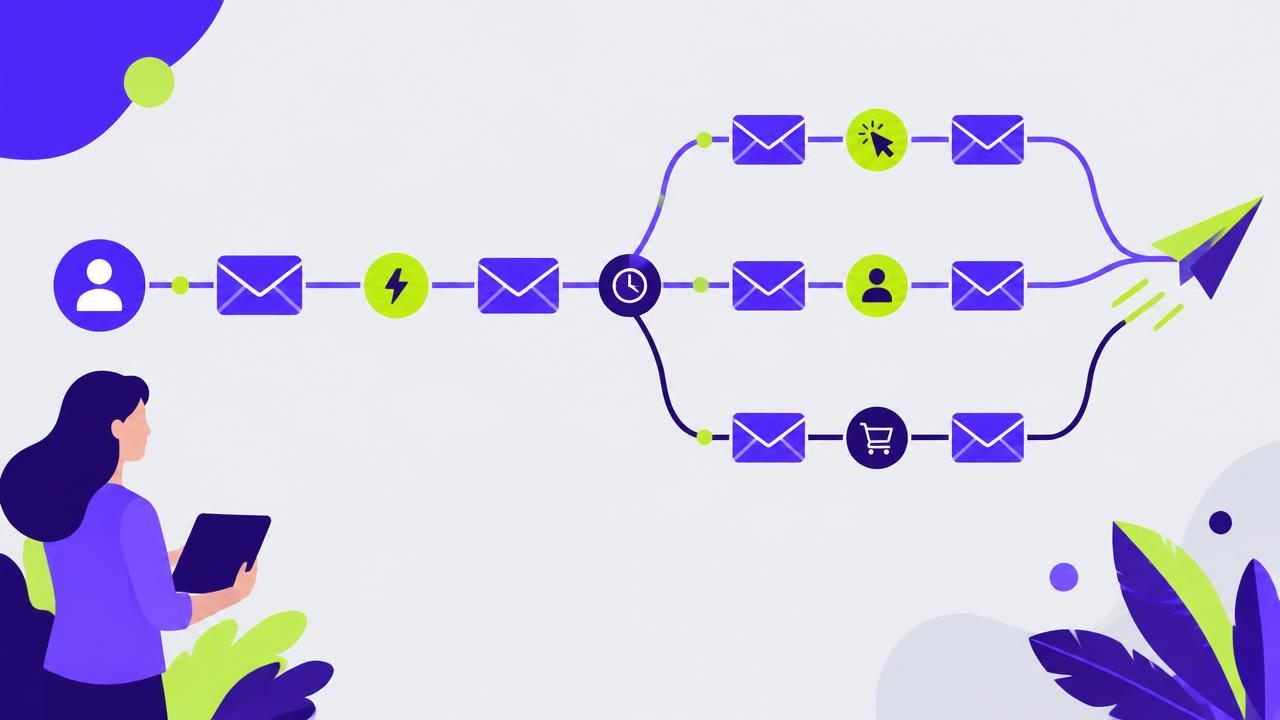
The Lifecycle Email Map Every Team Should Draw First
Campaign calendars are easy and mostly wasted. The revenue sits in a handful of triggered moments that most teams have never explicitly mapped.
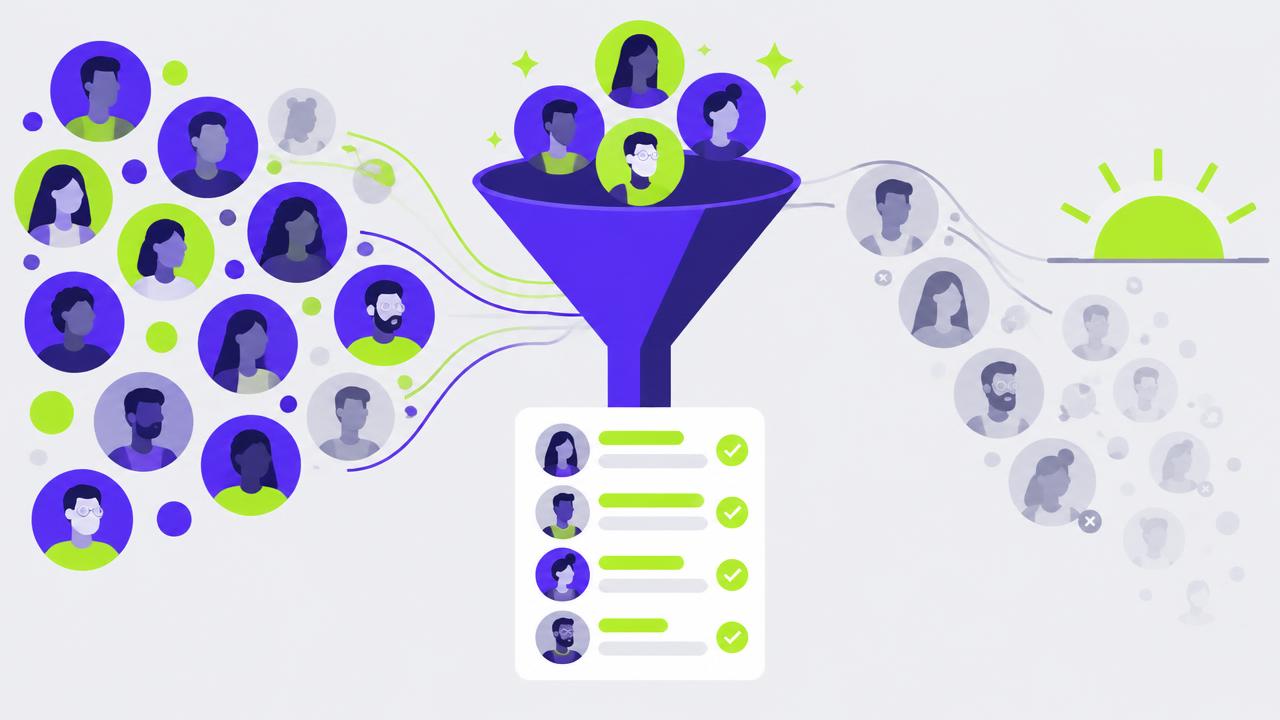
List Hygiene: Sending Less to Earn More
A smaller list that reaches the inbox beats a large one that reaches the spam folder. It is not close.
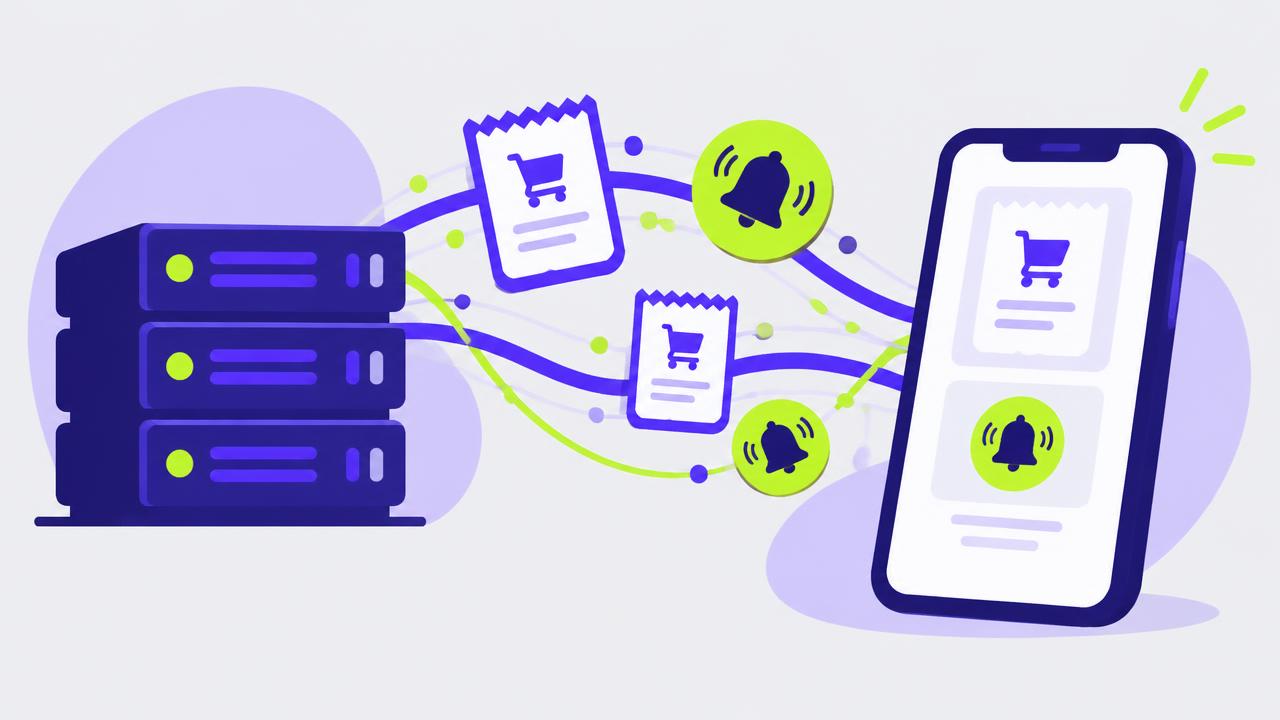
Transactional Email Is Your Most-Read Channel
The email with the highest open rate in your account is almost certainly a receipt nobody optimised.