
Transactional Email Is Your Most-Read Channel

Order confirmations, shipping updates, password resets and invoices are opened by the overwhelming majority of recipients because they contain something the person needs. They are also, in most companies, owned by engineering, styled with a default template, and never reviewed by anyone who thinks about the customer relationship.
Fix the basics before adding anything
Before any growth idea, audit the fundamentals: does the subject line say what happened, does the message arrive within seconds, does every link work on mobile, is the key information above the fold, and is there a clear route to support? A shipping notice that buries the tracking link generates support tickets, which costs more than any promotional block could earn.
| Message | What the reader needs | Safe addition |
|---|---|---|
| Order confirmation | Items, total, delivery estimate | Care or setup guidance for the item bought |
| Shipping notice | Tracking, arrival window | What to expect on arrival |
| Password reset | A link that works, fast | Nothing. Leave it alone. |
| Invoice | Amount, period, download | Usage summary, plan fit note |
Earn the right to add a promotion by first making the transactional part better than it was.
Keep the streams separate
Send transactional mail from a distinct subdomain and sending identity. Mixing it with campaigns means a bad promotional send can damage delivery of password resets, which is a support incident rather than a marketing problem.
Know where the consent line sits
Adding promotional content can legally reclassify a transactional message in some jurisdictions, which brings consent and unsubscribe obligations with it. Keep any added content related to the transaction itself, keep it visually secondary, and check the rules in the markets you operate in rather than assuming.
Who owns it
The practical blocker is ownership: these templates live in the codebase, so marketing never touches them and engineering never prioritises them. Assign one owner, put the templates in a shared review, and schedule an audit twice a year. The work is small and it is read by everyone.
Related articles
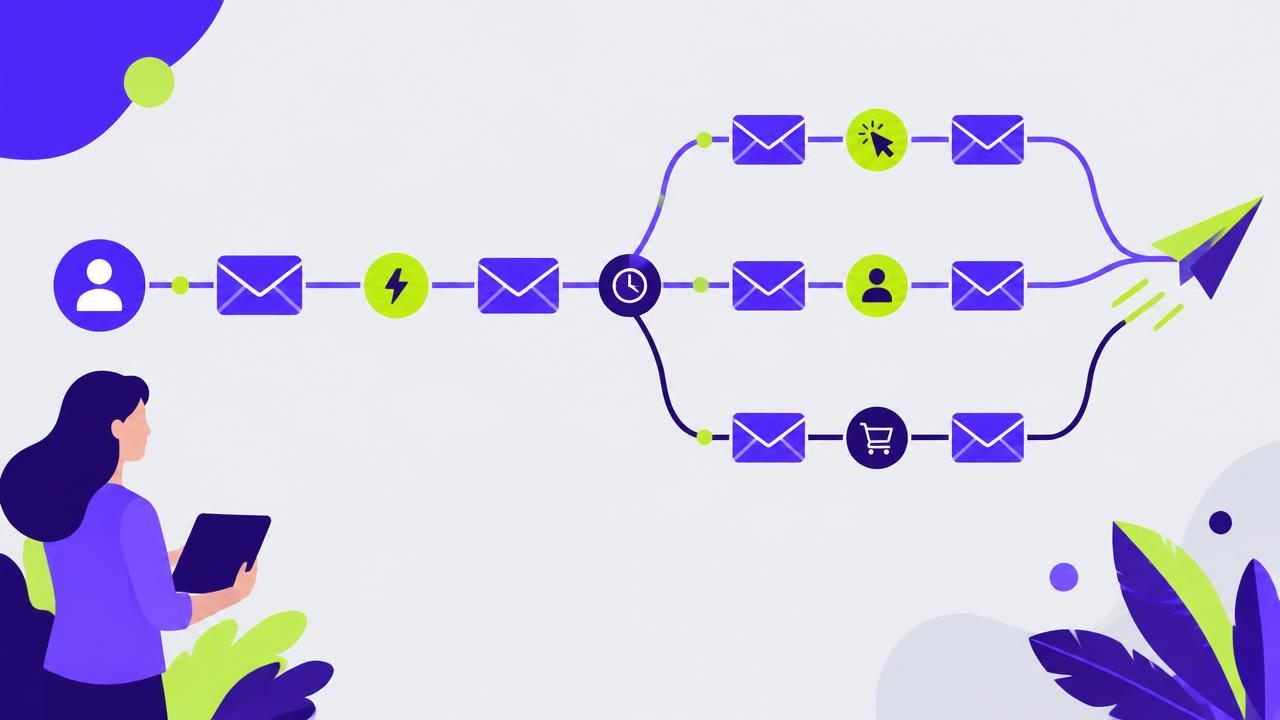
The Lifecycle Email Map Every Team Should Draw First
Campaign calendars are easy and mostly wasted. The revenue sits in a handful of triggered moments that most teams have never explicitly mapped.
Growing a Newsletter Without Buying Anyone
Fast list growth is easy to buy and impossible to keep. The compounding sources are slower and far more valuable.

List Hygiene: Sending Less to Earn More
A smaller list that reaches the inbox beats a large one that reaches the spam folder. It is not close.