
Referral Programs That Work, and the Four Reasons Most Do Not
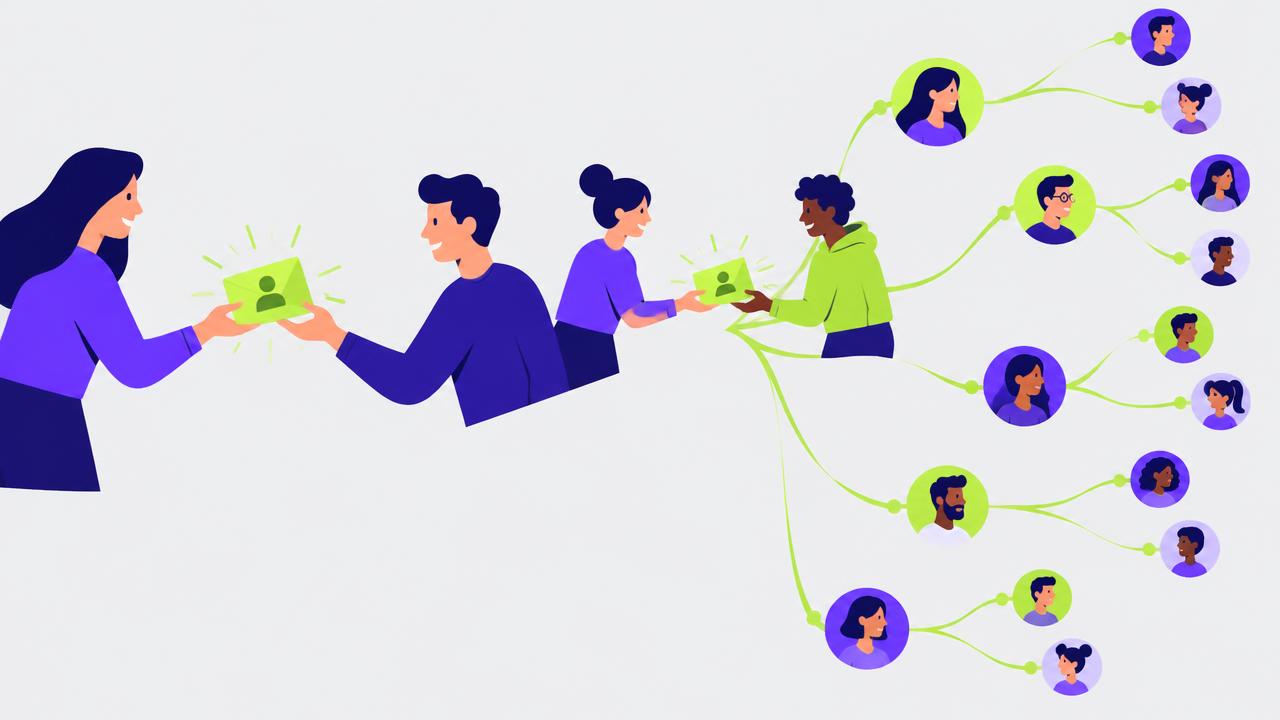
Referral looks like free growth, which is why almost every company tries it and why most of the resulting programs sit in a settings page nobody visits. The failure is rarely the reward. It is the timing, the friction, the measurement, or the assumption that customers want to do marketing work for you.
Reason one: asking at the wrong moment
The default placement is the signup confirmation or the account menu. Both are moments where the customer has no evidence yet that the product is worth recommending. Nobody vouches for something they have not experienced.
The right moment is immediately after realised value: the first successful outcome, the tenth use, a support interaction that went well, a five-star rating. Instrument those events and trigger the ask there. Teams that move the prompt from signup to first-value routinely see referral rates multiply, with no change to the incentive at all.
Reason two: one-sided rewards
A reward that only pays the referrer turns the customer into a salesperson working on commission, and most people find that socially awkward. A two-sided reward — the friend gets something too — reframes the message as generosity. The referrer is now giving a gift, not harvesting a bounty.
| Structure | Social framing | Typical relative performance |
|---|---|---|
| Referrer only | Commission | Baseline |
| Friend only | Gift | Often above baseline |
| Two-sided | Mutual benefit | Strongest in most tests |
| Charitable donation | Values-driven | Strong in mission-led brands only |
Reason three: the wrong currency
Cash is the most expensive reward and frequently not the best performer. Product credit costs you marginal cost rather than face value, and it returns the customer to the product, which is where retention happens. A $20 cash reward and $30 of product credit can cost the same and the credit will usually win on both uptake and downstream value.
The best referral reward is one that only makes sense if you already like the product. That self-selects for the referrals you actually want.
Reason four: friction in the chain
Map the full path: see the prompt, understand the offer, get a link, choose a channel, send it, friend clicks, friend lands, friend signs up, reward applies. Each step loses people. The two most common leaks are requiring the referrer to type email addresses — always offer a copyable link and native share — and requiring the friend to manually enter a code that should have been carried by the link.
Test the landing page separately. A referred visitor arriving on your generic homepage converts far worse than one arriving on a page that names the friend who invited them and repeats the offer. This single page is often the highest-leverage fix in the whole program.
The math that tells you whether it is working
Three numbers define a referral loop. Participation rate: share of eligible customers who send at least one invite. Conversion per invite: how many invites become customers. Cycle time: how long between a customer joining and them referring.
Multiply participation by invites sent by conversion per invite and you have referrals per customer. Above 1.0 and the loop is self-sustaining, which almost never happens. Between 0.1 and 0.3 is a healthy, meaningful contribution that materially lowers blended acquisition cost. Below 0.05 and the program is decoration.
Measuring incrementally
Referral attribution over-credits by construction: some referred customers would have found you anyway, particularly when the referrer is simply the last touch on someone already considering. Run a holdout — withhold the prompt from 10% of eligible customers — and compare total new customers, not attributed referrals. Expect the honest number to be somewhat lower than the dashboard. It is usually still excellent.
Fraud, briefly
Any reward large enough to motivate is large enough to farm. Minimum controls: reward on a qualifying action rather than signup, cap rewards per account per period, block self-referral by payment instrument and device, and review the top ten referrers manually each month. That last one takes ten minutes and catches most of what automated rules miss.
A launch plan
Pick the first-value event. Build a two-sided credit offer. Create a dedicated referred-visitor landing page. Instrument participation, conversion per invite and cycle time. Hold out 10%. Review after six weeks and change exactly one variable. That is a program, rather than a feature.
Related articles
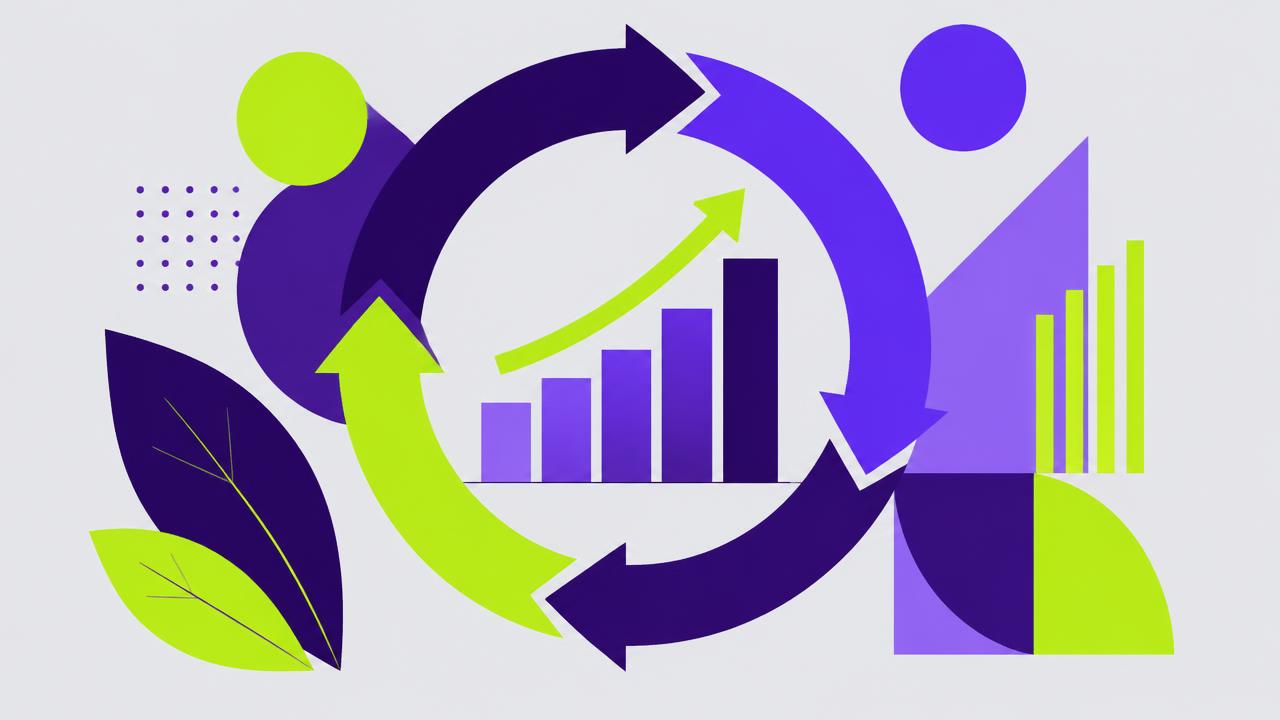
Growth Loops vs Funnels: Why Your Acquisition Math Keeps Breaking
Funnel thinking treats every customer as a terminal event. Loop thinking asks what each customer produces. The difference shows up in your CAC curve about nine months in.
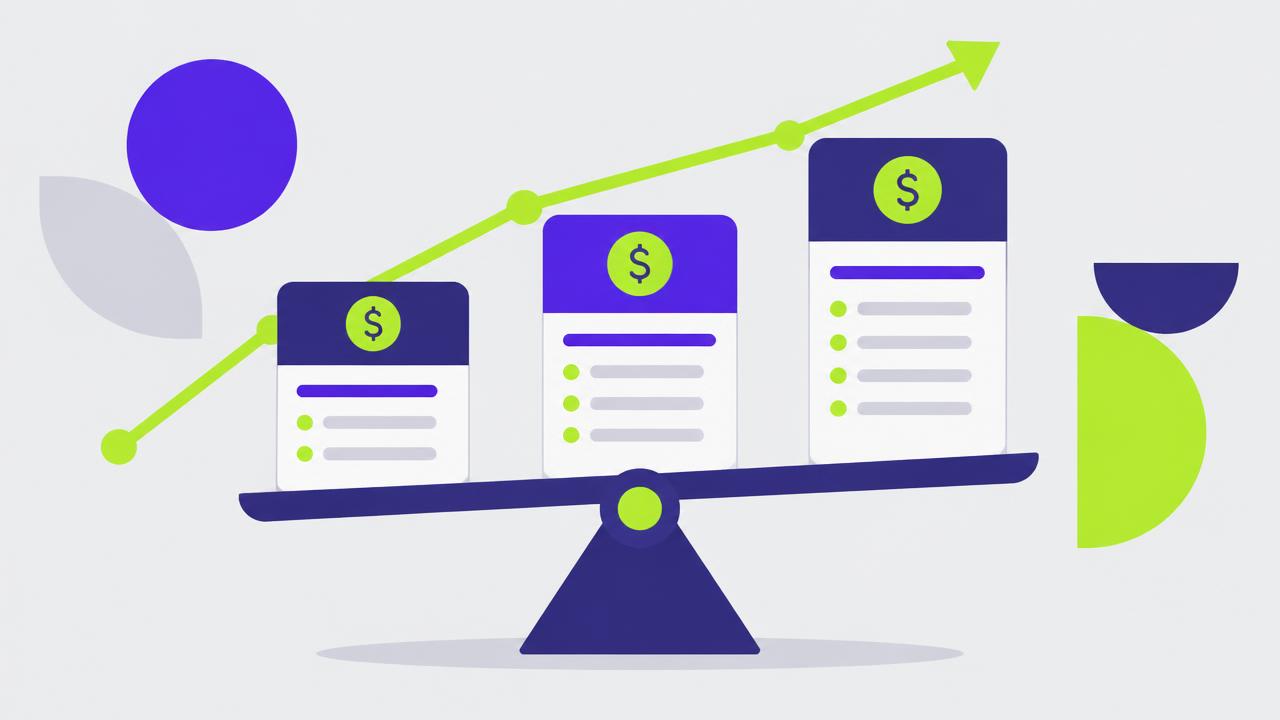
How to Run Pricing Experiments Without Breaking Trust
A ten percent price increase absorbed without churn is worth more than most acquisition campaigns. The question is how to find out safely.
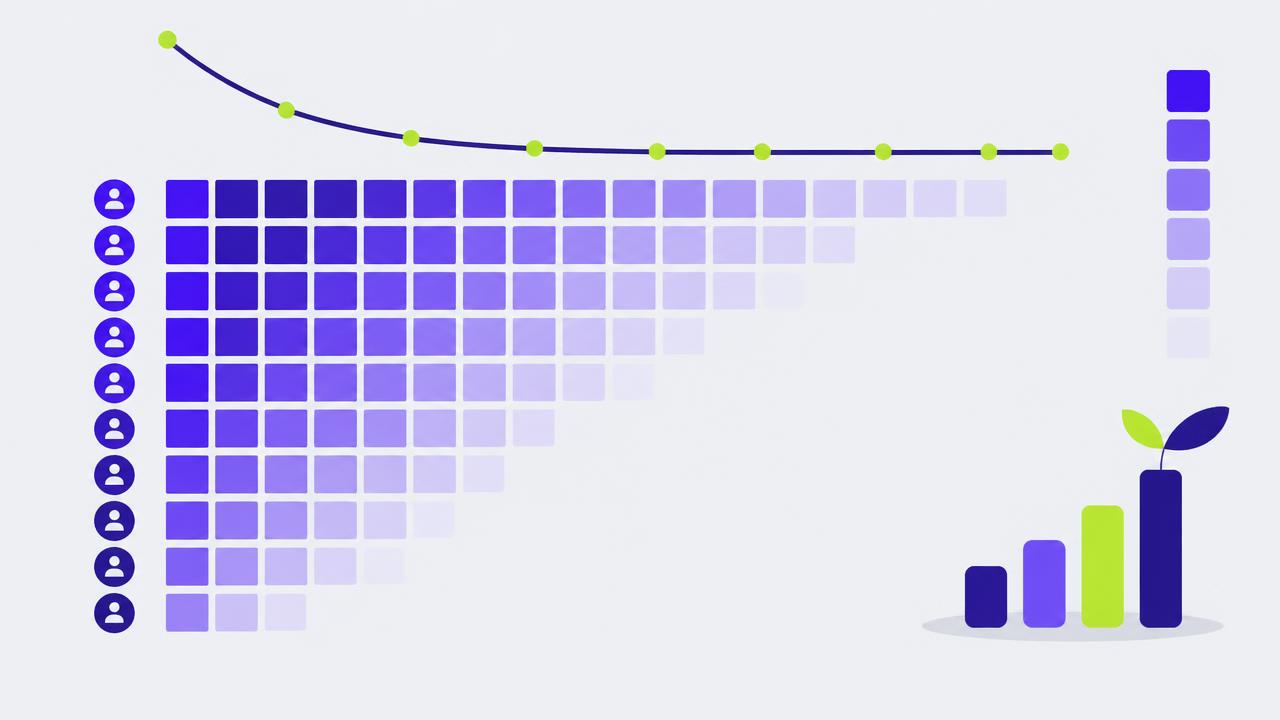
Reading Retention Curves Without Fooling Yourself
A flattening curve means you have a product. A curve that reaches zero means you have a series of transactions. Everything else follows from that distinction.