
Segmentation That Uses Behaviour, Not Guesswork
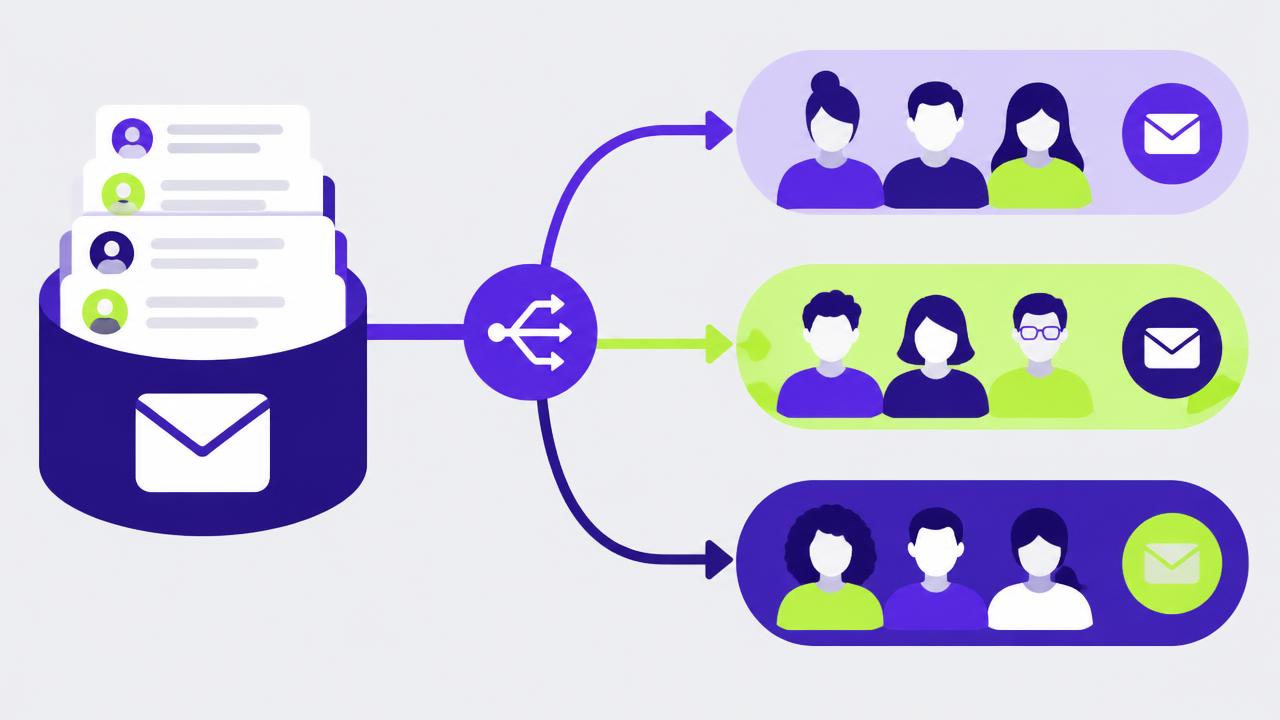
Segmentation gets sold as a personalisation feature and implemented as a demographics exercise. The result is a list split by industry or company size, which mostly produces the same email with a different noun swapped in. Behaviour is where the signal lives.
Three segments to build first
| Segment | Definition | What changes |
|---|---|---|
| Active | Opened or clicked in the last 30 days | Full sending frequency, new offers first |
| Cooling | Last engagement 31-90 days | Reduced frequency, stronger single hooks |
| Dormant | No engagement in 90+ days | Win-back only, then sunset |
That split alone usually improves deliverability and campaign rates more than any content change, because it stops you from sending daily mail to people who stopped reading months ago.
Interest signals worth capturing
Beyond recency, the useful fields are the ones tied to purchase intent: category pages viewed, products added to cart, features used, pricing page visits, support topics raised. These are observed, never declared, so they do not rot the way a self-selected preference does.
A preference centre records who someone was when they signed up. Behaviour records who they are now.
Resist the urge to multiply
Every segment is a content commitment. Thirty segments means thirty variants to write, test and maintain, which in practice means twenty-eight of them get the same generic email. Add a segment only when you can name the specific message it will receive and who will write it.
Suppression is segmentation too
The segments you exclude matter as much as the ones you target. Recent purchasers should not receive the acquisition offer they just took. Customers with an open support ticket should not receive an upsell. These exclusion rules are cheap to build and prevent the kind of email that generates complaints.
Keep the rules honest
Segment definitions silently drift out of date as the product and the audience change. Put a quarterly review in the calendar: check the size of each segment, confirm the rule still describes what you meant, and delete any segment that has not received a differentiated message in three months.
Related articles
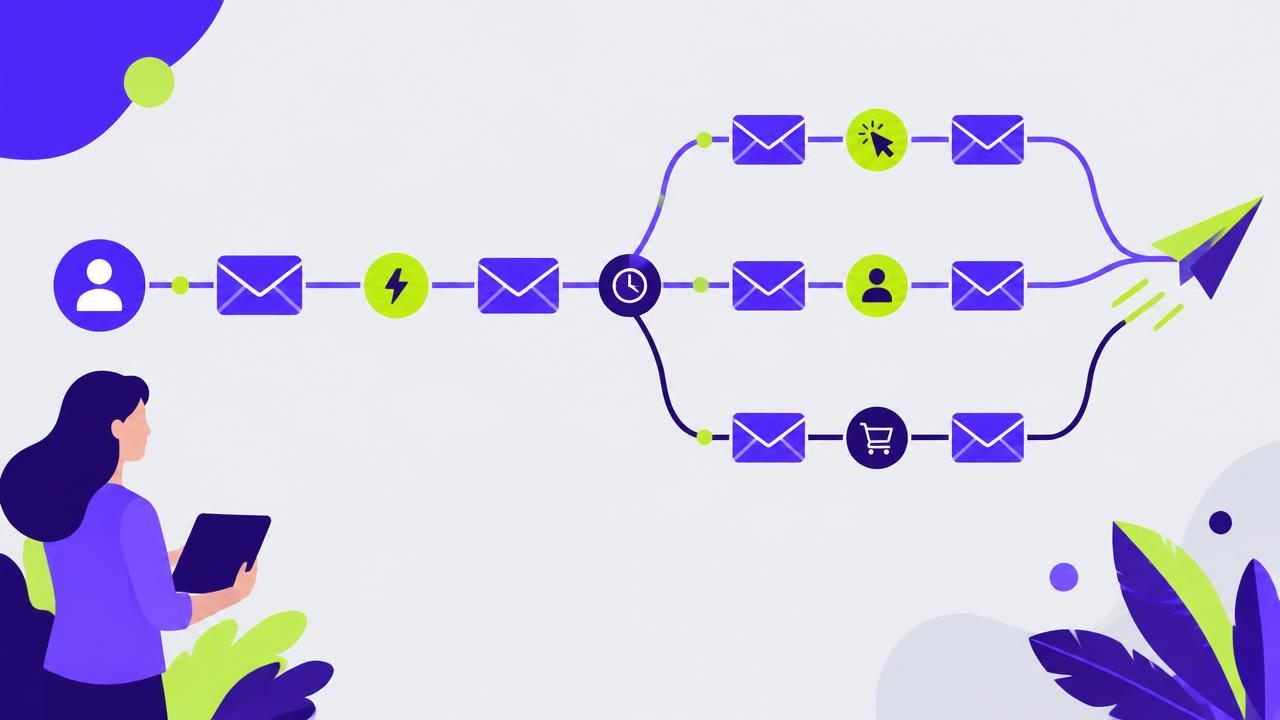
The Lifecycle Email Map Every Team Should Draw First
Campaign calendars are easy and mostly wasted. The revenue sits in a handful of triggered moments that most teams have never explicitly mapped.
Growing a Newsletter Without Buying Anyone
Fast list growth is easy to buy and impossible to keep. The compounding sources are slower and far more valuable.
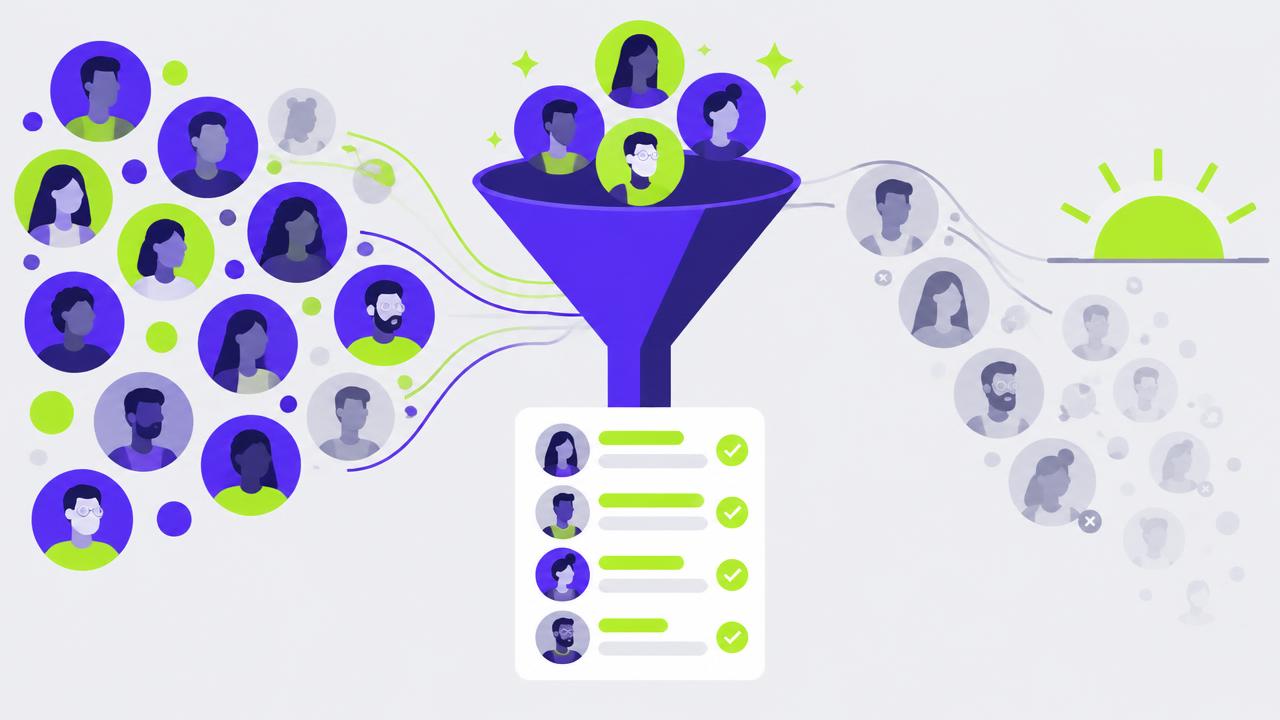
List Hygiene: Sending Less to Earn More
A smaller list that reaches the inbox beats a large one that reaches the spam folder. It is not close.