
Smart Bidding Without Handing Over the Account

Every argument about automated bidding is really an argument about inputs. The system will relentlessly pursue whatever objective it is given, using whatever conversion data it receives. If the objective is wrong or the data is noisy, the automation is not failing - it is succeeding at the wrong task, faster than any human could.
Report the conversion you actually want
An account that counts every lead form submission as one conversion will be optimised toward the cheapest possible form fill. That is exactly what it will deliver, along with a sales team complaining about quality. The fix is not a bidding change, it is a measurement change: send back a qualified-lead event, or send values that differ between a trial signup and a demo request.
The bidding algorithm is a mirror. It shows you what you asked for with uncomfortable precision.
Target ROAS versus target CPA
| Situation | Better fit | Reason |
|---|---|---|
| Order values vary widely | Target ROAS | A fixed CPA overpays for small baskets and underbids on large ones |
| Single price point | Target CPA | Value is constant, so value-based targeting adds nothing |
| Lead generation with scored leads | Target ROAS on lead value | Lets the system prefer segments that convert downstream |
| Launching a new campaign | Maximise conversions, then add a target | Needs volume before a target is meaningful |
Volume is the precondition
Automated bidding is a statistical process. Below roughly thirty conversions a month per campaign, it is estimating from too little evidence and results swing wildly. The response is not to abandon automation but to reduce fragmentation: consolidate campaigns, raise the conversion event to something that happens more often, or use a portfolio strategy that pools data across campaigns.
Change targets slowly
A target change triggers a re-learning period. Moving a ROAS target from 300% to 500% in one step will typically collapse volume, panic the team, and prompt a reversal before the system has stabilised - leaving the account in permanent learning. Move in increments of roughly 10-15%, then wait for a full conversion lag cycle plus a week before judging.
Guardrails that still belong to you
Automation should never own the budget ceiling, the geography, the exclusion lists, or the account structure. Those are business decisions. Keep negative keyword lists current, keep placement exclusions on display inventory, keep brand and non-brand separate so brand efficiency does not flatter the rest, and keep a hard daily budget that reflects what you can afford to lose in a bad week.
What to review weekly
Look at the conversion lag distribution, the share of spend in learning status, the search terms newly matched, and the segments where the achieved target diverges most from the set target. Those four views tell you whether the system has good data, whether it is stable, whether it is drifting into irrelevant demand, and where your target is unrealistic for the auction.
Related articles

Match Types and Negatives: Steering Broad Without Bleeding
Broad match is a proposal, not a promise. Negatives are how you answer it.

Retargeting Works Until It Annoys: Setting Frequency Honestly
Retargeting does not create demand, it closes it. Budget it like a closing tool and cap it like one.
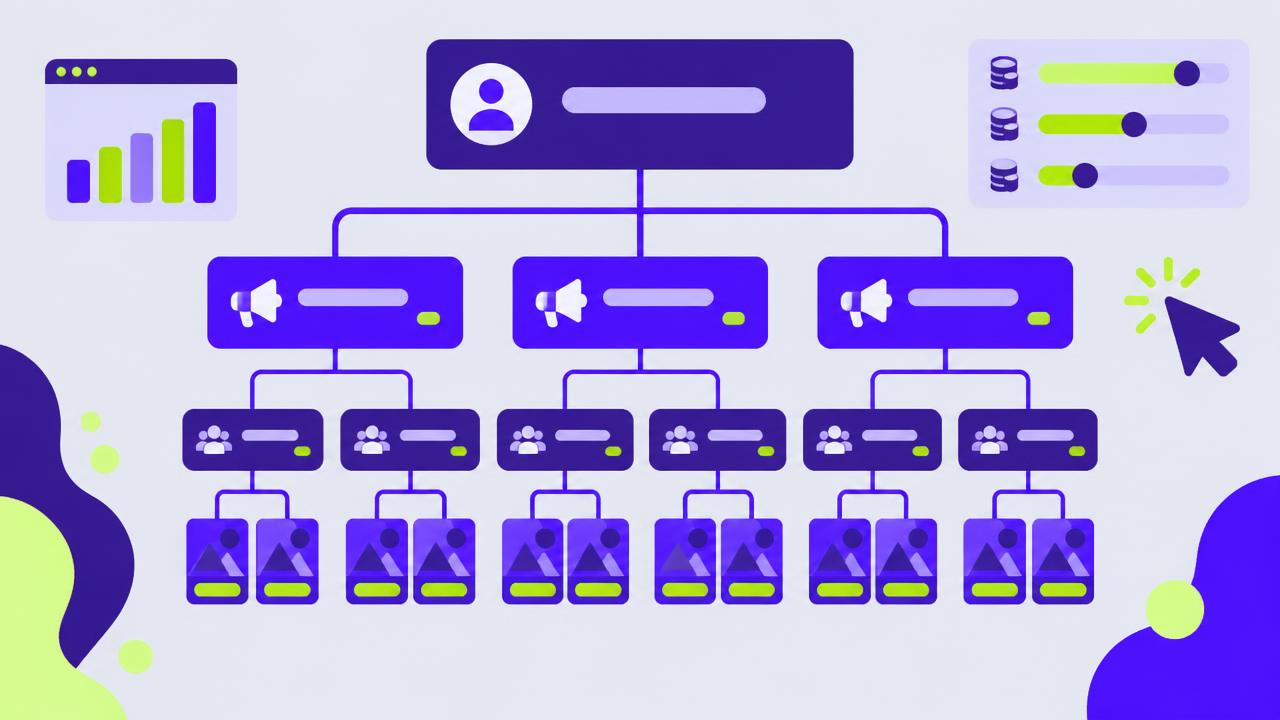
Meta Ads Account Structure in 2026: Consolidate, But Not Blindly
Fewer campaigns usually means faster learning. But consolidation fails predictably in three situations, and knowing them is worth more than any template.