
The Welcome Sequence Is Your Highest-Leverage Email
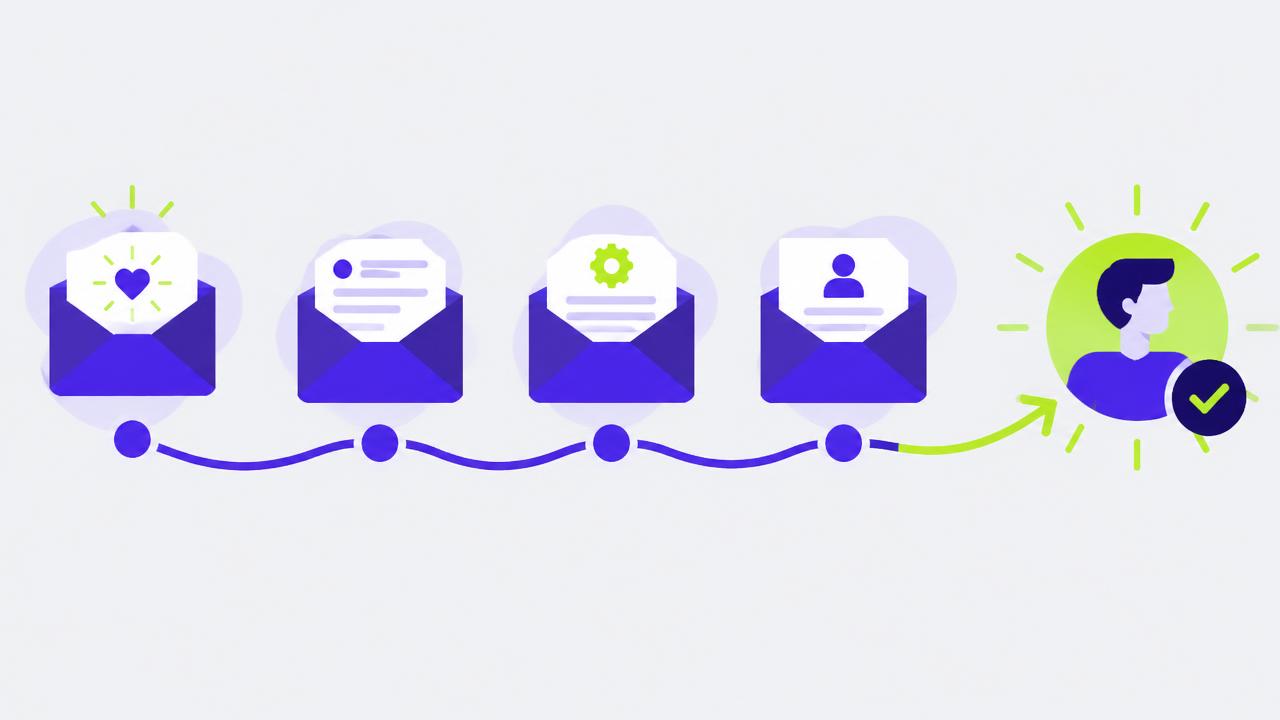
A welcome email is read at two to three times the rate of a regular campaign, and the gap is not subtle. Whatever behaviour you can encourage in that window is cheaper to encourage there than anywhere else in the lifecycle. Yet the default welcome email in most accounts is a branded header, a paragraph of company history and a discount code that trains people to wait for discounts.
Speed beats polish
The first message should leave within minutes of signup. Intent decays fast: someone who submitted an email address two minutes ago is still thinking about you; the same person four hours later is not. If your sending platform batches, change it. A plain, fast email outperforms a beautiful, delayed one.
A sequence that follows the user, not the org chart
| Timing | Single job | |
|---|---|---|
| 1. Confirm and orient | Immediate | Deliver what was promised at signup |
| 2. First success | +1 day | Get them to the one action that predicts retention |
| 3. Proof | +3 days | Show a real outcome from a comparable customer |
| 4. Obstacle removal | +5 days | Address the objection that stalls most people |
| 5. Ask | +8 days | Trial, purchase, or booking — one clear route |
One action per email
The most common failure is stuffing a welcome email with a product tour, a social follow, a blog link and a purchase button. Attention divides; nothing gets clicked. Decide the single behaviour each message exists to produce and remove every competing link, including the navigation bar in the header.
If you cannot name the one thing an email is supposed to make someone do, it is not ready to send.
Branch by source
Someone who subscribed from a pricing page has different information needs from someone who downloaded a checklist. Capturing the signup source as a field and branching on it costs an afternoon and typically produces a larger lift than any amount of subject-line optimisation. At minimum, split into high-intent and low-intent tracks.
Measure the right thing
Open rate on the welcome email tells you almost nothing — it is high by construction. The metric that matters is the share of new subscribers who complete the target activation action within seven days. Track it as a cohort, watch it by source, and only then judge whether a change to the sequence helped.
When to stop
A welcome sequence should end. Subscribers who complete the target action should exit early and move into the regular programme; those who do not should exit after the final message rather than looping. Endless onboarding is the main cause of early unsubscribes, and an unsubscribe in week one costs you every future campaign.
Related articles
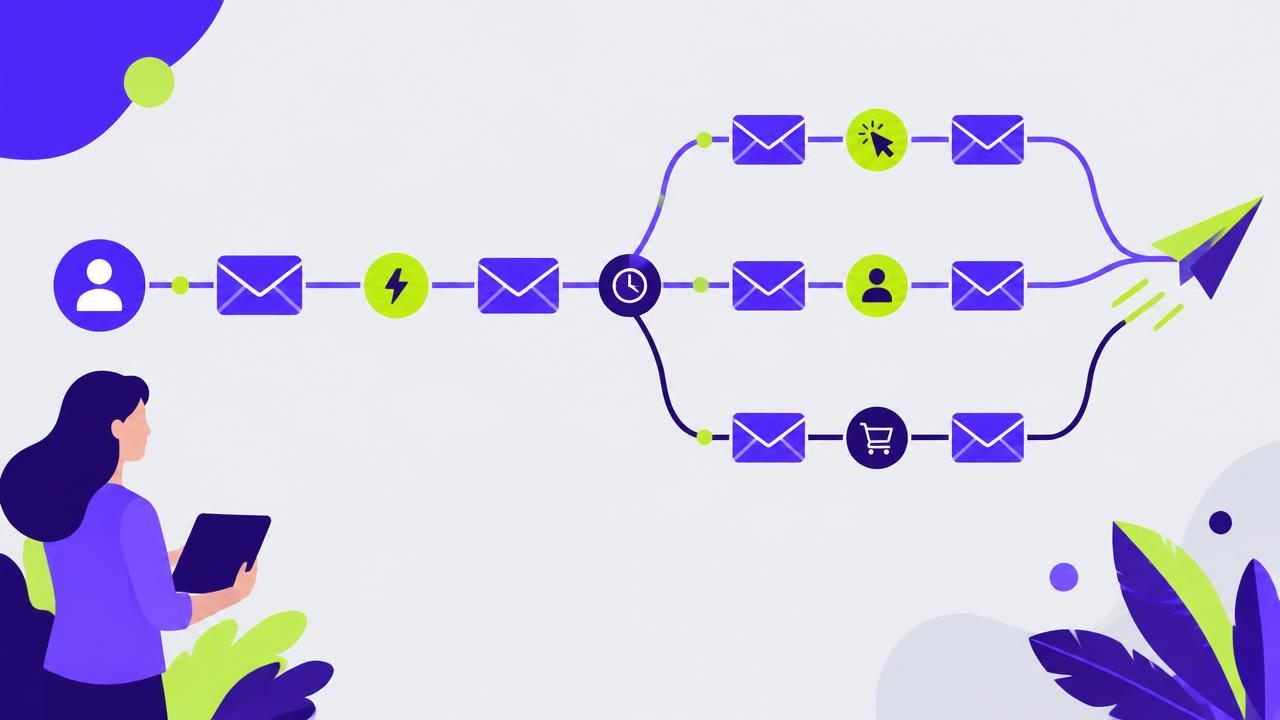
The Lifecycle Email Map Every Team Should Draw First
Campaign calendars are easy and mostly wasted. The revenue sits in a handful of triggered moments that most teams have never explicitly mapped.
Growing a Newsletter Without Buying Anyone
Fast list growth is easy to buy and impossible to keep. The compounding sources are slower and far more valuable.
List Hygiene: Sending Less to Earn More
A smaller list that reaches the inbox beats a large one that reaches the spam folder. It is not close.