
Win-Back Campaigns That Do Not Beg
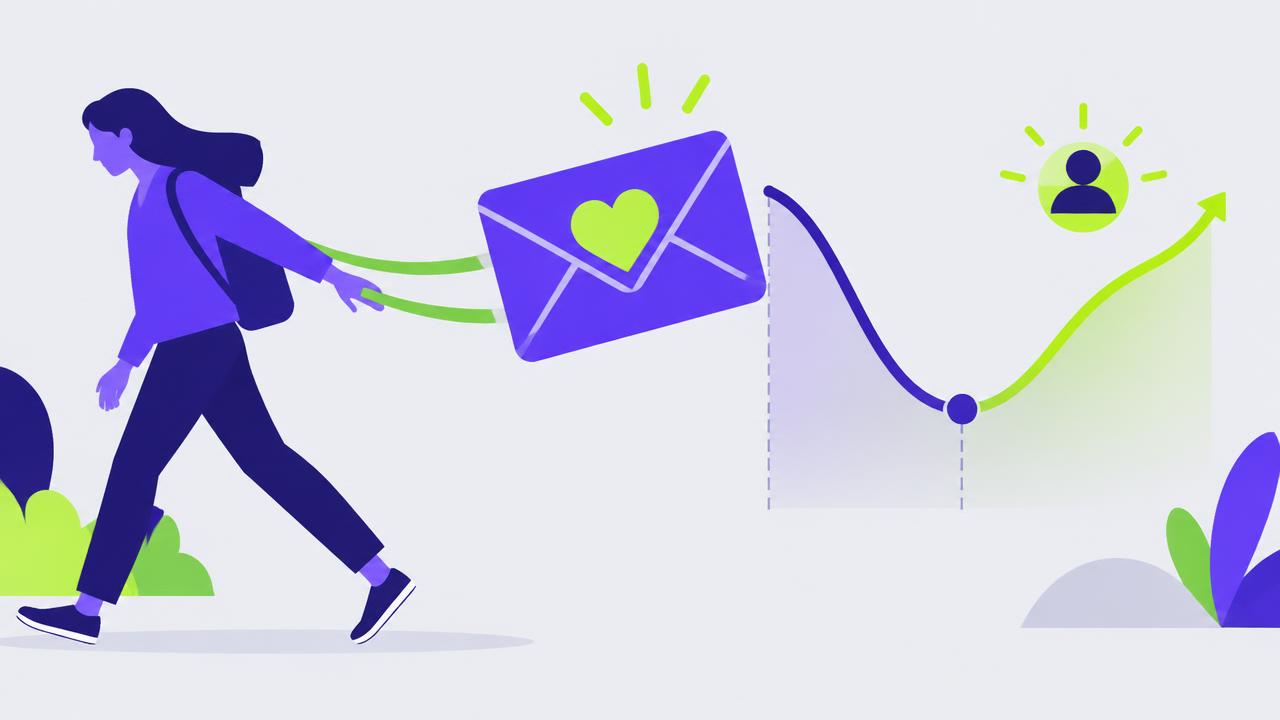
Every list accumulates people who used to buy and stopped. The instinct is to send them the biggest discount you can justify. That recovers a handful of transactions and teaches the rest that going quiet is rewarded. A better win-back does two jobs: revive what can be revived, and remove what cannot.
Define lapsed properly
The generic ninety-day rule is meaningless across categories. If your median repurchase interval is six weeks, ninety days is very late. If you sell mattresses, ninety days is nothing. Calculate the interval at which the probability of a repeat purchase falls below a threshold you set, and use that.
| Former value | Approach | Incentive |
|---|---|---|
| High value, multi-purchase | Personal, from a named sender, asks a question | None initially; service gesture if needed |
| Mid value | What is new since they left | Modest, time-bound |
| Single low-value purchase | One automated message | Standard acquisition offer, then sunset |
Ask before you offer
The first win-back message should ask a question: did something go wrong, has your need changed, would less frequent email suit you better? Replies to that question are worth more than the revenue from a discount, because they tell you what is driving churn across the whole base.
A win-back that only ever discounts can never tell you why people left.
End it cleanly
If three messages produce nothing, stop. Send a final note saying you will remove them unless they say otherwise, then do it. This feels like losing subscribers; it is actually protecting deliverability for everyone still reading, and it is the honest thing to do.
Prevention beats recovery
The best win-back budget is spent earlier. If you can identify the behavioural signature that precedes lapsing — a skipped reorder, a drop in session frequency, a support issue left unresolved — intervening at that point costs less and works far better than any campaign sent after the fact.
Related articles
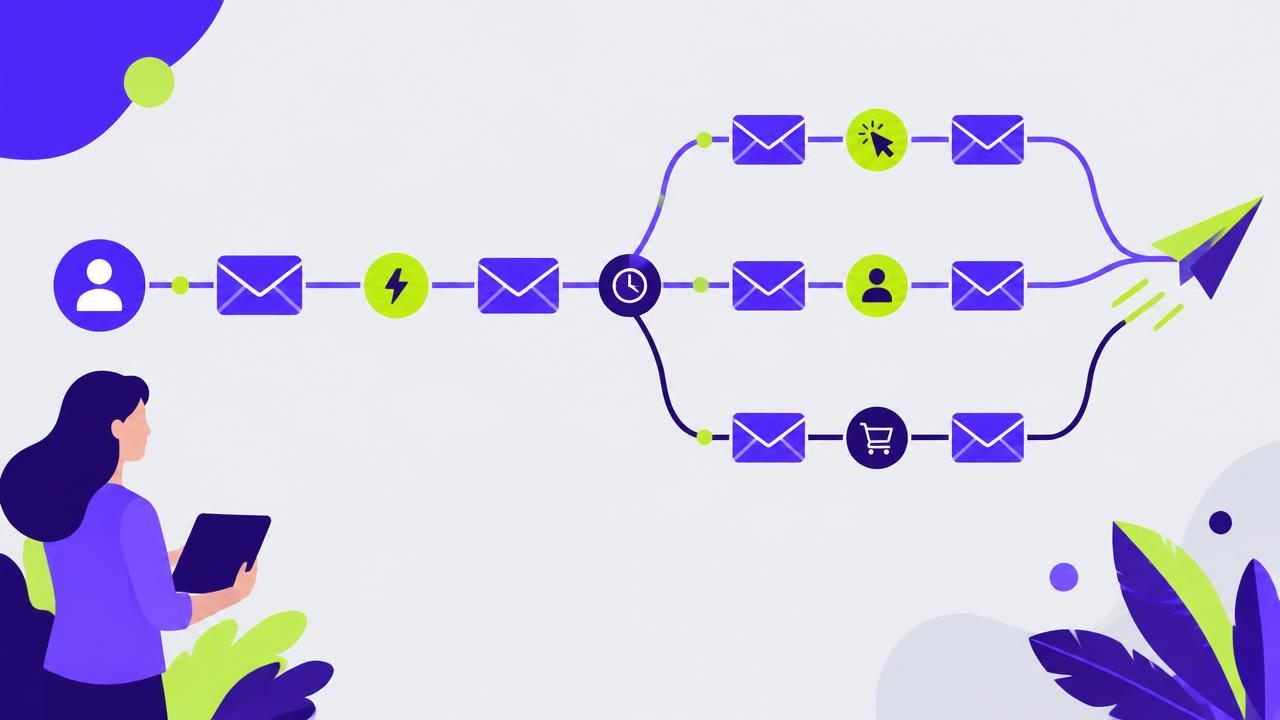
The Lifecycle Email Map Every Team Should Draw First
Campaign calendars are easy and mostly wasted. The revenue sits in a handful of triggered moments that most teams have never explicitly mapped.
Growing a Newsletter Without Buying Anyone
Fast list growth is easy to buy and impossible to keep. The compounding sources are slower and far more valuable.
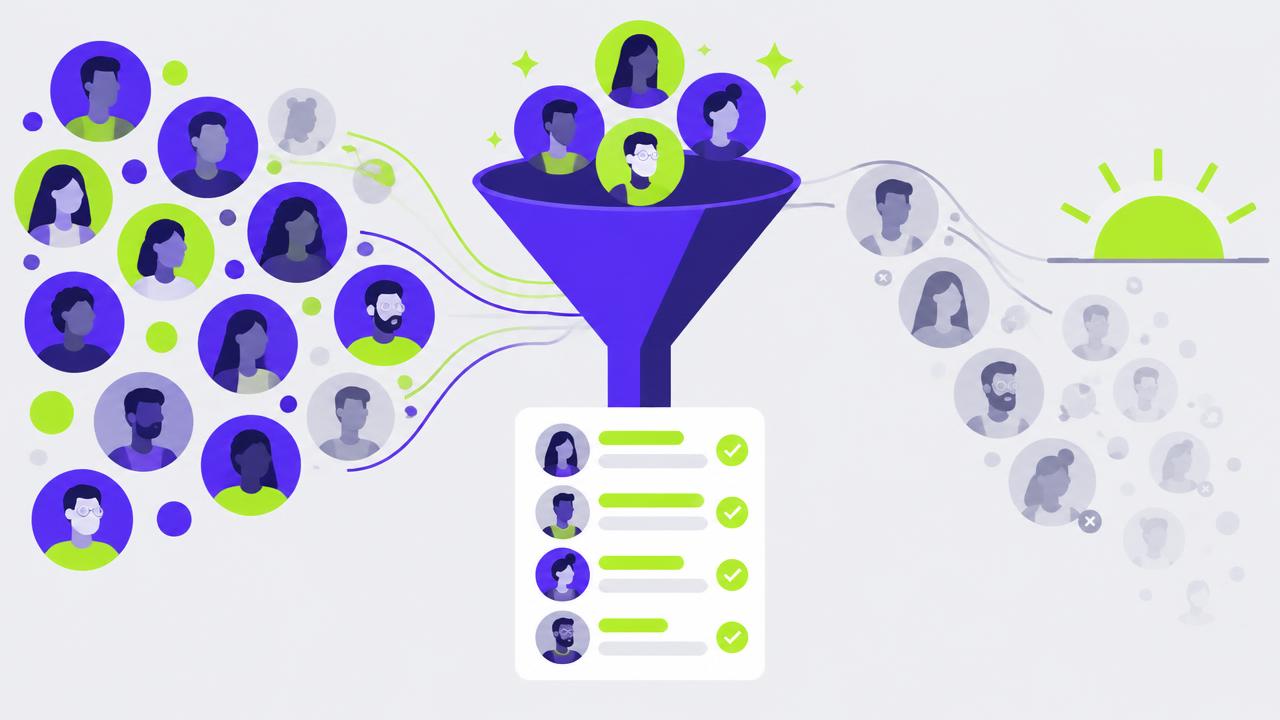
List Hygiene: Sending Less to Earn More
A smaller list that reaches the inbox beats a large one that reaches the spam folder. It is not close.