
The Quarterly Data Quality Audit
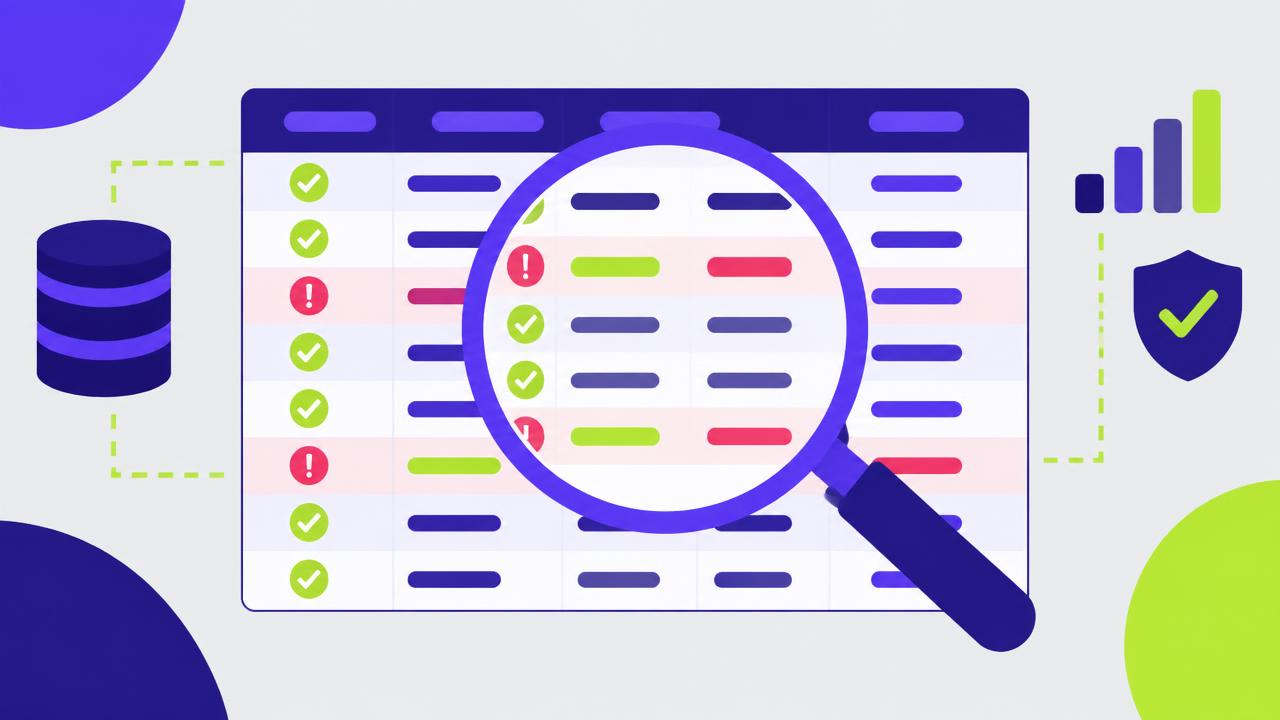
Tracking does not usually break loudly. A developer renames a form field, a consent banner update changes load order, a tag gets duplicated. Conversions drop or double, the dashboard still renders, and nobody notices for six weeks — by which time decisions have already been made on the corrupted numbers.
The monthly reconciliation
Compare orders in the analytics platform against orders in the finance or order-management system for the same period. They will not match exactly; what matters is that the gap is stable. A gap that was eight percent for a year and is now twenty-five percent is a defect, and you have found it in weeks rather than quarters.
| Check | Frequency | Failure it catches |
|---|---|---|
| Analytics vs finance orders | Monthly | Missing or duplicated conversions |
| Event volume anomaly alerts | Daily, automated | Broken or fired-twice tags |
| Key funnel step-through rates | Weekly | Silent breakage in mid-funnel |
| Campaign parameter compliance | Monthly | Traffic misfiled as direct |
| Consent state distribution | Monthly | Banner regressions |
Automate the watching
Humans are bad at noticing a twelve-percent drift. Set volume thresholds on your ten most important events and alert when a day falls outside the expected band. The alert does not need to be clever; it needs to arrive on the day it happens.
Every deployment is a tracking change until proven otherwise. Put event verification in the release checklist.
Prioritise by stakes
Not all data deserves equal scrutiny. Revenue events, conversion events and the fields that feed ad platform optimisation are worth strict monitoring. A scroll-depth event on a marketing page is not. Auditing everything equally means auditing nothing well.
Fix the source
Patching a dashboard to exclude a broken week hides the problem. Fix the collection, then note the affected period in the register and annotate the chart. Anyone reading that series in a year will need to know, and by then nobody will remember.
Related articles
Incrementality Testing: The Only Number Your CFO Should Trust
Platform-reported ROAS answers "who touched the sale?" Incrementality answers "would it have happened anyway?" Only the second one supports a budget decision.

Predicting Lifetime Value Without Fooling Yourself
An LTV number that nobody can falsify is not a forecast. It is a permission slip for overspending.
Geo Holdouts: The Most Practical Causal Test
When user-level tracking fails, geography is still a reliable way to build a control group.